The Future is Now: Navigating the Electric Car Revolution and Beyond
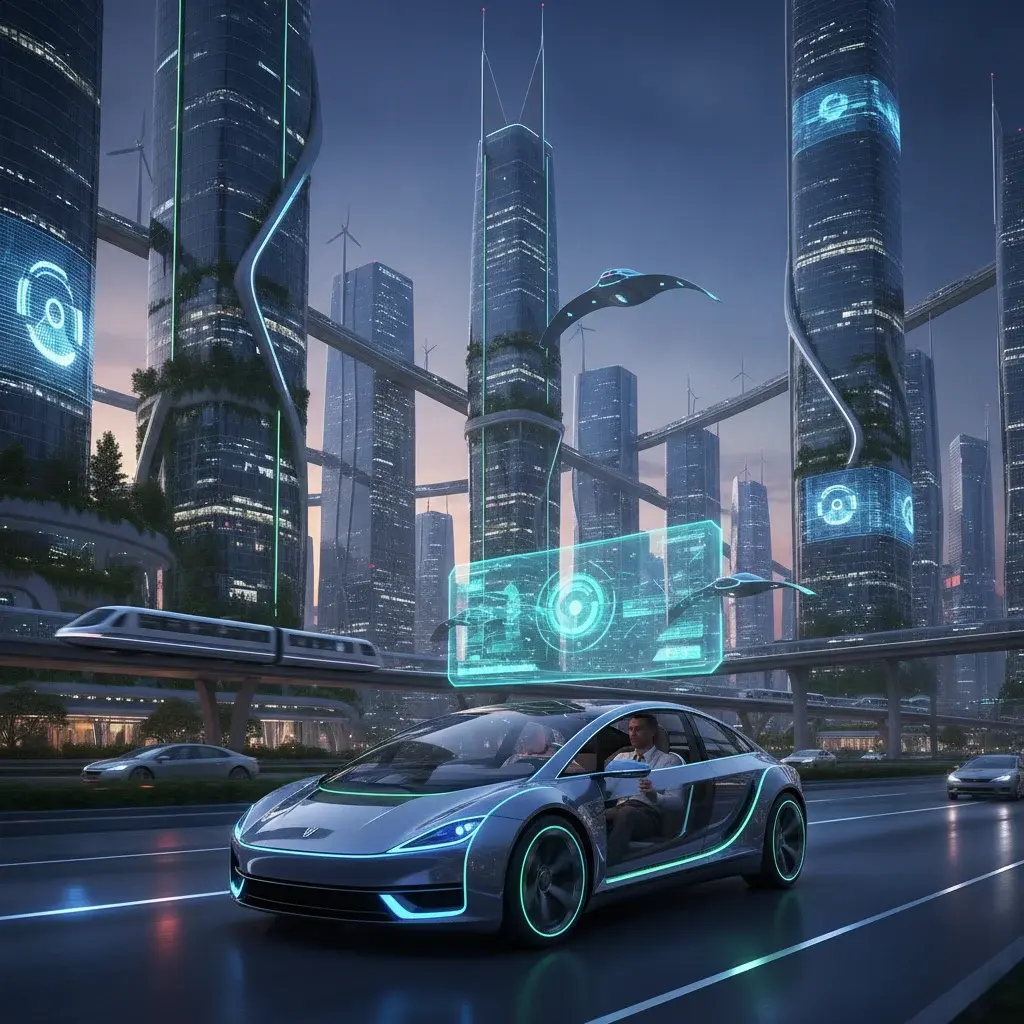
The hum of an internal combustion engine, once the symphony of the open road, is slowly being replaced by the silent, powerful surge of electric motors. We stand at the precipice of an automotive renaissance, a period of unprecedented innovation that is fundamentally reshaping how we move, connect, and interact with our vehicles. This isn’t just about new models; it’s about a complete paradigm shift, a thrilling journey into the electric car revolution and the myriad technologies defining the future of mobility. From self-driving marvels to hyper-connected cockpits, the automotive world is accelerating into an era where imagination truly meets engineering. Prepare to explore the incredible advancements that are not only transforming our daily commutes but also paving the way for a more sustainable and exhilarating driving experience.
The Electrifying Surge: Driving Towards a Sustainable Future
The transition to electric vehicles (EVs) is more than just an environmental imperative; it’s an economic and technological triumph. Global EV sales reached an astounding 10 million units in 2022, marking a 55% increase from the previous year, according to the International Energy Agency’s Global EV Outlook 2023. This remarkable surge underscores a collective commitment to reducing carbon emissions and embracing cleaner transportation alternatives. EVs offer instantaneous torque, quiet operation, and a significant reduction in running costs, making them increasingly attractive to a broad spectrum of drivers seeking both performance and responsibility.
Beyond the Battery: Innovations in EV Performance
Modern electric vehicles are no longer just eco-friendly alternatives; they are powerhouses of performance. Advanced battery chemistries, such as solid-state technology, promise greater energy density, faster charging times, and extended ranges that will soon rival traditional gasoline cars. Beyond the battery, innovations in electric motor design are delivering incredible horsepower and acceleration, with some models achieving 0-60 mph in under 2 seconds. Regenerative braking systems further enhance efficiency, capturing kinetic energy typically lost during deceleration and feeding it back into the battery pack.
Charging Ahead: Infrastructure and Accessibility
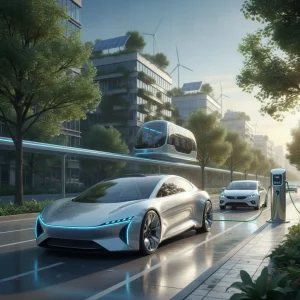
The expansion of charging infrastructure is pivotal to the widespread adoption of electric mobility. Rapid advancements in fast-charging technology mean that many EVs can now gain hundreds of miles of range in just 15-20 minutes, significantly reducing range anxiety. Governments and private companies worldwide are investing billions in building extensive charging networks, from urban public stations to highway fast chargers. The development of wireless charging solutions and battery swapping stations also holds immense potential for making EV ownership even more convenient and seamless for future generations of drivers.
Intelligent Machines: The Rise of Autonomous Driving
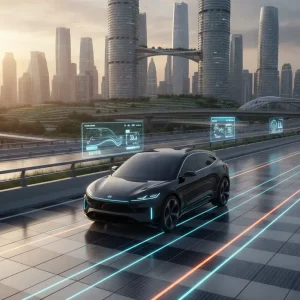
Imagine a future where your car navigates rush hour traffic while you catch up on emails or simply relax. This vision is rapidly becoming a reality with the advent of autonomous driving technologies. These sophisticated systems utilize an array of sensors, cameras, radar, and lidar to perceive their surroundings, process vast amounts of data, and make real-time decisions. The goal is not merely convenience but a significant enhancement in road safety by eliminating human error, which contributes to over 90% of all accidents.
ADAS: Enhancing Safety and Convenience Today
Advanced Driver-Assistance Systems (ADAS) are the building blocks of full autonomy and are already prevalent in millions of vehicles on the road. Features like adaptive cruise control, lane-keeping assist, automatic emergency braking, and blind-spot monitoring actively help drivers prevent collisions and reduce fatigue. These Level 2 systems, as defined by SAE International, provide crucial support, making daily commutes safer and more comfortable. The continuous evolution of ADAS means that our cars are becoming increasingly vigilant co-pilots.
The Road to Full Autonomy: Challenges and Triumphs
Achieving Level 5 full autonomous driving, where a vehicle can operate completely without human intervention in all conditions, presents complex engineering and ethical challenges. Overcoming hurdles related to sensor reliability in extreme weather, decision-making in unpredictable scenarios, and public trust requires rigorous testing and continuous innovation. However, ongoing breakthroughs in artificial intelligence and machine learning are steadily pushing the boundaries, promising a future where truly self-driving cars could revolutionize urban planning and personal freedom.
Connectivity on Wheels: The Smart Car Ecosystem
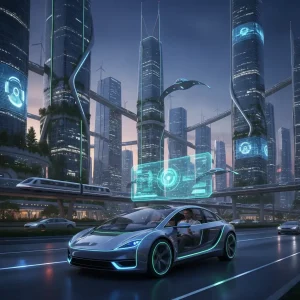
Our cars are no longer isolated machines; they are integral parts of a vast, interconnected digital ecosystem. Connected car technology links vehicles to the internet, to other vehicles (V2V), to infrastructure (V2I), and to pedestrians (V2P), creating a dynamic network of information. This constant flow of data enhances safety, optimizes traffic flow, and unlocks a wealth of personalized services. The smart car experience is transforming the driving environment into a mobile hub of productivity and entertainment.
Infotainment Reimagined: Personalized Experiences
Gone are the days of simple radio and CD players. Modern infotainment systems are sophisticated digital dashboards offering seamless smartphone integration, voice-activated controls, and high-definition displays. Drivers and passengers can enjoy streaming music, navigation with real-time traffic updates, and even in-car gaming or video conferencing. These systems are becoming deeply personalized, learning driver preferences and adapting the cabin environment, from climate control to ambient lighting, for ultimate comfort and convenience.
Over-the-Air Updates: Keeping Your Car Future-Proof
One of the most revolutionary aspects of connected cars is the ability to receive Over-the-Air (OTA) updates. Much like your smartphone, your vehicle can download new software features, performance enhancements, and security patches remotely. This capability ensures that your car remains current with the latest technology throughout its lifespan, potentially improving efficiency, adding new ADAS functions, or even unlocking additional horsepower. OTA updates represent a significant shift from static hardware to dynamic, evolving vehicle platforms.
Sustainable Solutions: Materials and Manufacturing
The automotive industry’s commitment to sustainability extends far beyond just powering vehicles with electricity. A holistic approach is being adopted, focusing on every stage of a car’s lifecycle, from its design and production to its eventual recycling. This comprehensive strategy aims to minimize environmental impact and foster a truly circular economy within the automotive sector.
Eco-Friendly Production: Reducing the Carbon Footprint
Manufacturers are investing heavily in greener production methods. This includes utilizing renewable energy sources in factories, reducing water consumption by up to 45% in some facilities, and minimizing waste through advanced recycling programs. The adoption of lightweight, sustainable materials like recycled plastics, plant-based composites, and even carbon fiber made from renewable sources is becoming more common. These efforts not only lessen the environmental burden but can also improve vehicle efficiency by reducing overall weight.
Recycling and Longevity: A Circular Economy for Cars
The end-of-life stage of a vehicle is also being reimagined. Car companies are designing components for easier disassembly and recycling, aiming to recover up to 95% of materials from older vehicles. Furthermore, the longevity of critical components, particularly EV batteries, is a key focus. Once they no longer meet the demands of a vehicle, these batteries are being repurposed for stationary energy storage or meticulously recycled to recover valuable rare earth metals, closing the loop on their lifecycle and minimizing waste, as highlighted by insights into the future of automotive manufacturing.
The Human Element: Passion, Performance, and Personalization
Amidst all the technological advancements, the core essence of driving—the sheer joy, the connection between driver and machine—remains paramount. While automation offers convenience, the thrill of the open road and the expression of personal style continue to drive automotive passion. The future isn’t just about efficiency; it’s about enhancing the human experience behind the wheel.
Driving Experience: Still at the Heart of It All
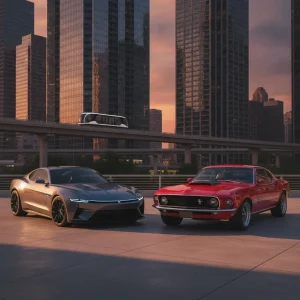
Even with the rise of autonomous features, the pure exhilaration of driving a well-engineered vehicle will never fade. Manufacturers are dedicating significant resources to perfecting driving dynamics, ensuring that electric vehicles deliver engaging handling, precise steering, and impressive acceleration. For enthusiasts, the connection to the road, the feel of the car’s responsiveness, and the symphony of its performance remain irreplaceable elements of automotive enjoyment. The future offers a choice: effortless transport or an exhilarating drive.
Customization Trends: Making Your Car Uniquely Yours
Personalization is a powerful trend that continues to shape the automotive landscape. From bespoke interior trims and unique paint finishes to advanced digital interfaces that adapt to individual preferences, drivers want their vehicles to reflect their personality. The ability to customize everything from drive modes to ambient lighting settings ensures that each car can feel like a truly personal extension of its owner, blending cutting-edge technology with individual expression.
The automotive world is undergoing a seismic transformation, moving at an exhilarating pace towards a future that was once the stuff of science fiction. From the silent power of the electric car revolution to the intelligent autonomy of self-driving systems and the seamless connectivity of smart vehicles, every aspect of our interaction with cars is being reimagined. This isn’t just about better transportation; it’s about a cleaner planet, safer roads, and a more integrated, personalized driving experience than ever before. As we accelerate into this new era, one thing is certain: the journey ahead promises to be as thrilling and innovative as the machines that take us there. The future of automotive technology is not just arriving; it’s already here, waiting to be driven.