The Road Ahead: Driving Innovation in Automotive Technology
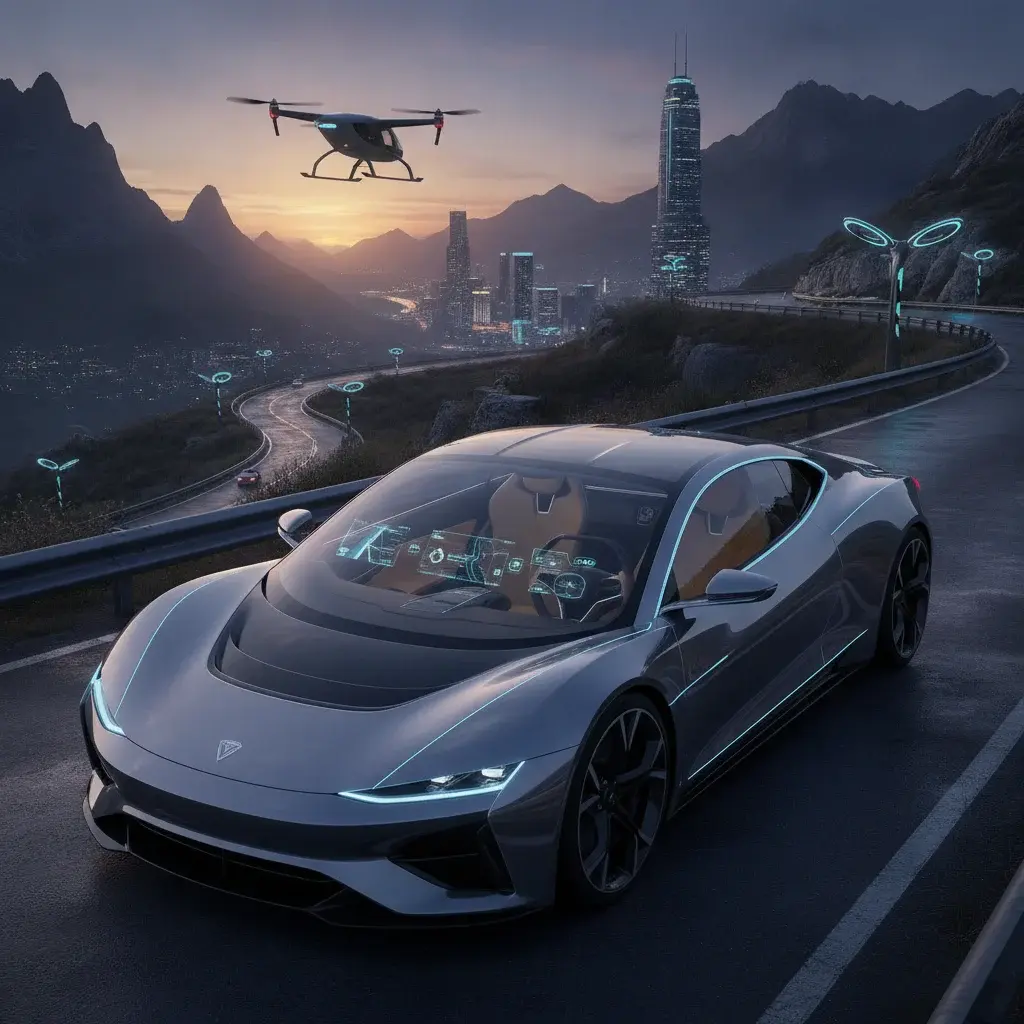
From the roar of a perfectly tuned engine to the sleek lines of a futuristic concept, the automotive world has always ignited a unique passion within us. It’s more than just transportation; it’s an extension of our identity, a symbol of freedom, and a testament to human ingenuity. Today, we stand at the precipice of an exhilarating new era, one where **driving innovation in automotive technology** is redefining every aspect of our experience on the road. This journey into the future promises not just faster or more efficient vehicles, but an entirely reimagined relationship between human and machine, blending breathtaking performance with groundbreaking sustainability and connectivity.
The Electrifying Revolution: Powering Tomorrow’s Rides
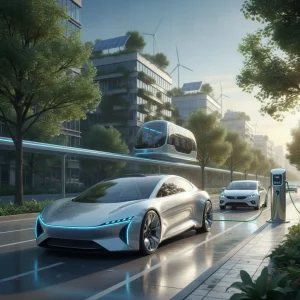
The hum of an electric motor is quickly becoming the soundtrack of our future, signaling a profound shift in how we power our vehicles. Electric Vehicles (EVs) are no longer a niche market but a rapidly expanding segment, offering instant torque, silent operation, and zero tailpipe emissions. This electrifying revolution is fueled by continuous advancements in battery technology, extending ranges and reducing charging times.
The global embrace of EVs is undeniable. In 2023, global EV sales surpassed an astonishing 14 million units, marking a substantial 35% increase compared to 2022, according to the IEA Global EV Outlook 2024. This surge highlights a growing consumer appetite for sustainable alternatives and the industry’s commitment to a greener future. Manufacturers are pushing boundaries, developing solid-state batteries and ultra-fast charging networks that promise to make range anxiety a relic of the past.
Beyond the Wheel: The Rise of Autonomous Driving
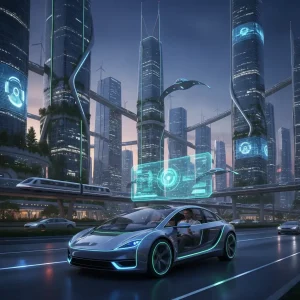
Imagine a world where your daily commute transforms into productive time, where traffic jams are a distant memory, and where safety is dramatically enhanced. This vision is rapidly materializing with the advent of autonomous driving technology. Advanced Driver-Assistance Systems (ADAS) are already commonplace, offering features like adaptive cruise control, lane-keeping assist, and automatic emergency braking, making our journeys safer and less stressful.
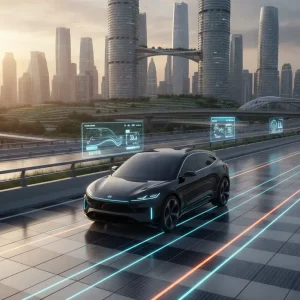
The continuous evolution of artificial intelligence and sensor technology is pushing vehicles towards higher levels of autonomy. Studies suggest that widespread adoption of ADAS could significantly reduce accident rates, with some projections indicating reductions of up to 27% in certain collision types. The NHTSA consistently reports on initiatives aimed at improving road safety, with autonomous features playing a crucial role. While fully autonomous vehicles are still evolving, their potential to revolutionize urban mobility and long-distance travel is immense, promising unprecedented levels of convenience and safety.
Sustainable Speed: Eco-Conscious Performance
Performance and environmental responsibility were once considered opposing forces, but modern automotive innovation is brilliantly fusing them. Today’s engineers are crafting vehicles that deliver exhilarating driving dynamics while minimizing their ecological footprint. This involves not only electric powertrains but also a holistic approach to sustainable manufacturing and material science.
From recycled plastics and natural fibers to ethically sourced metals, car manufacturers are rethinking every component. Many leading brands, such as Volvo Cars, are committed to ensuring their vehicles are composed of at least 25% recycled and sustainably sourced materials by 2030. This dedication extends to production processes, utilizing renewable energy and reducing waste, proving that high performance can indeed go hand-in-hand with planetary care.
Connectivity and Comfort: The Smart Cabin Experience
The interior of a modern vehicle is no longer just a functional space; it’s a highly intelligent, personalized, and connected environment. Infotainment systems have evolved into sophisticated digital cockpits, offering seamless integration with our digital lives. From over-the-air updates that improve performance and add features to personalized climate control and ambient lighting, the smart cabin is designed to anticipate and cater to our every need.
The global connected car market is a testament to this trend, projected to reach over 190 million active subscriptions by 2025, according to Statista. Vehicles are becoming rolling hubs of connectivity, capable of communicating with infrastructure, other vehicles, and our smart devices. This interconnectedness enhances safety through real-time traffic alerts and emergency services, while transforming every journey into an immersive and enjoyable experience.
The Human Element: Preserving the Joy of Driving
Amidst all the technological marvels, the pure, unadulterated joy of driving remains a core tenet of automotive passion. While autonomous systems offer convenience, the thrill of taking the wheel, feeling the road, and mastering a curve is irreplaceable for enthusiasts. Automotive innovation isn’t solely about automation; it’s also about enhancing the driver’s connection to the machine.
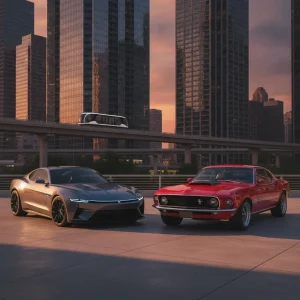
This commitment to the driving experience manifests in the continued development of high-performance vehicles, precision engineering, and customizable driving modes that allow drivers to tailor their experience. The robust global community of car enthusiasts, celebrated by publications like Top Gear, continues to thrive, valuing the artistry and engineering behind every vehicle. Even as technology advances, the visceral pleasure of navigating the open road, whether in a classic muscle car or a cutting-edge electric supercar, will always be preserved.
What’s Next on the Horizon? Emerging Automotive Trends
The pace of automotive innovation shows no signs of slowing down. Beyond current advancements, the industry is already looking towards truly revolutionary concepts. Imagine urban air mobility, with electric Vertical Take-Off and Landing (eVTOL) vehicles becoming a common sight. Investment in eVTOL companies has soared, with billions poured into developing these futuristic airborne taxis, as reported by sources like eVTOL News.
Further trends include hyper-personalization, where vehicles adapt to individual biometrics and preferences, and subscription-based mobility models that offer unparalleled flexibility. The automotive landscape will continue to evolve, pushing the boundaries of what’s possible and challenging our perceptions of personal transport. The future promises a blend of science fiction and practical application, all driven by an insatiable desire for progress.
The journey through automotive innovation is an exhilarating one, filled with breakthroughs that promise to reshape our world. From the silent power of electric drivetrains and the intelligent assistance of autonomous systems to sustainable manufacturing and deeply connected cabins, the future of mobility is vibrant and dynamic. Yet, at its heart, the automotive industry will always be driven by a fundamental passion for motion, freedom, and the endless possibilities of the open road. As we look ahead, one thing is certain: the road ahead is paved with innovation, excitement, and a profound respect for both performance and our planet.