Driving Tomorrow: Unpacking the Future of Automotive Innovation
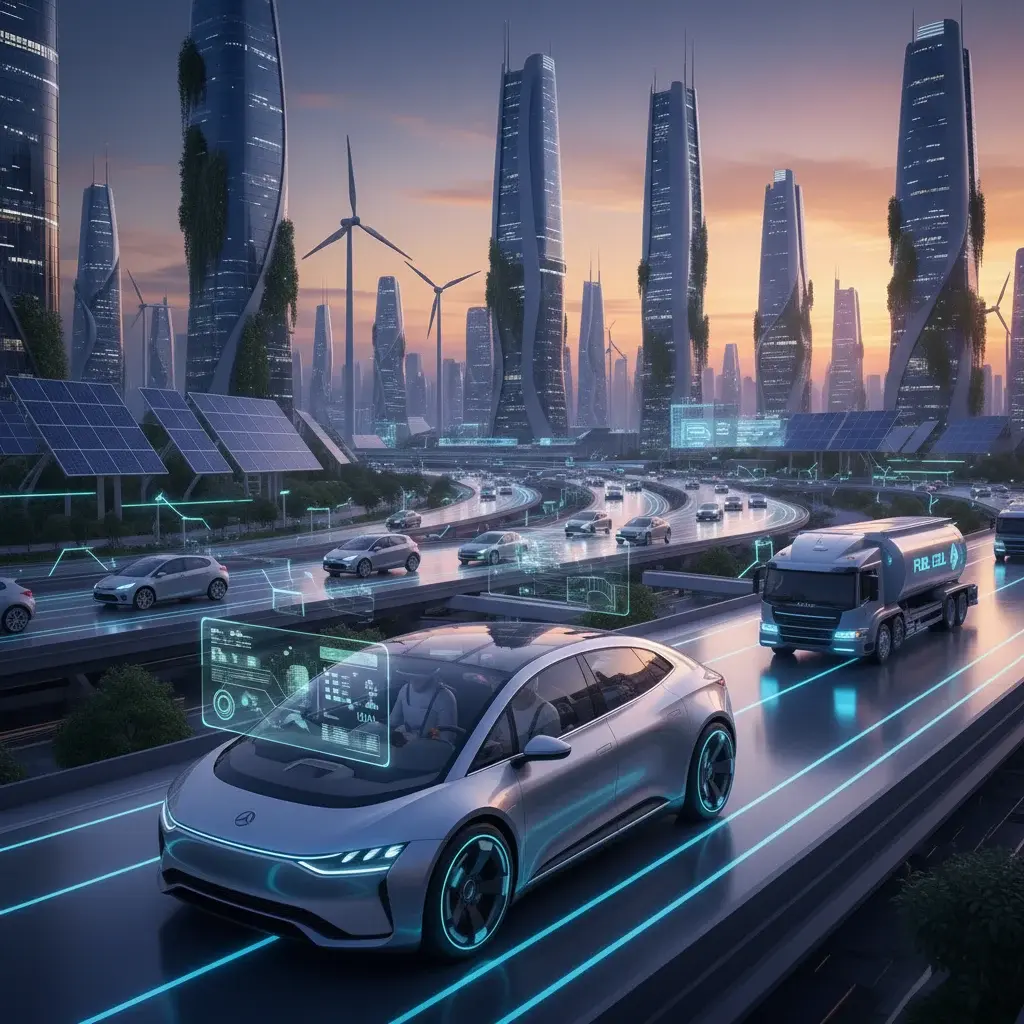
Imagine a world where your car anticipates your needs, drives itself safely, and runs on clean energy, leaving behind only fresh air. This isn’t a scene from a futuristic movie; it’s the rapidly unfolding reality of automotive innovation. The global automotive industry is undergoing a monumental transformation, propelled by groundbreaking technologies and an unwavering commitment to sustainability. From the silent hum of electric powertrains to the sophisticated algorithms guiding autonomous vehicles, the road ahead promises an exhilarating journey into an era of unprecedented efficiency, connectivity, and environmental responsibility. Buckle up, because the future of driving is here, and it’s more exciting than we ever dared to dream.
The Electrifying Surge: A New Era of Power
The internal combustion engine, a marvel of engineering for over a century, is steadily giving way to a cleaner, more efficient alternative: electricity. Electric vehicles (EVs) are no longer a niche market; they are mainstream, redefining performance and environmental stewardship. This paradigm shift is driven by advancements in battery technology, increasing consumer awareness, and supportive government policies worldwide.
Beyond the Pump: The Rise of EVs
The transition to electric mobility is accelerating at an astonishing pace. In 2023, global electric car sales surpassed 14 million, representing an 18% share of the total car market, according to the International Energy Agency’s Global EV Outlook 2024. This dramatic growth is fueled by a diverse range of models, from compact city cars to high-performance sports vehicles and robust trucks, offering consumers more choices than ever before. The allure of instant torque, quiet operation, and reduced running costs makes EVs increasingly attractive.
Charging Ahead: Infrastructure and Range Anxiety
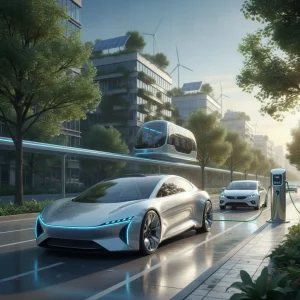
One of the persistent concerns for potential EV owners, known as ‘range anxiety,’ is being systematically addressed. Charging infrastructure is expanding rapidly across continents, with thousands of new public charging points installed annually. Innovations like ultra-fast charging stations, capable of adding hundreds of miles of range in mere minutes, are becoming more common. Furthermore, advancements in battery technology are extending vehicle ranges, with many new EVs offering over 300 miles on a single charge, making long-distance travel a comfortable reality.
Performance Meets Sustainability
Modern electric vehicles are not just environmentally friendly; they are also powerhouses of performance. Many EVs boast acceleration figures that rival or even surpass traditional sports cars, thanks to their direct electric motor torque delivery. This blend of exhilarating performance with zero tailpipe emissions offers a compelling proposition. It proves that sustainability doesn’t mean sacrificing the thrill of driving, but rather enhancing it with a quieter, smoother, and more responsive experience.
Driving Smarter: The Intelligence Behind the Wheel
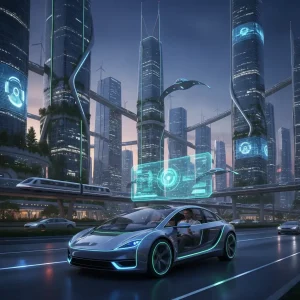
Beyond how cars are powered, how they drive is also undergoing a profound transformation. The integration of artificial intelligence, sophisticated sensors, and advanced connectivity is turning vehicles into intelligent platforms. These advancements promise not only greater convenience but also significantly improved safety and efficiency on our roads.
Autonomous Adventures: Self-Driving Technology
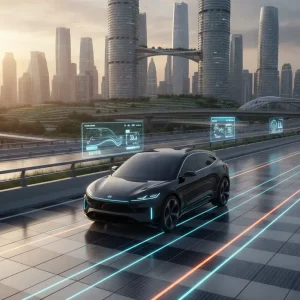
The dream of fully autonomous vehicles is steadily moving from concept to reality. While Level 5 autonomy (full self-driving in all conditions) is still some years away, Level 2 and Level 3 systems are already available in many production cars. These systems, utilizing an array of cameras, radar, lidar, and ultrasonic sensors, can handle tasks like adaptive cruise control, lane keeping, and even hands-free highway driving. The potential for reducing human error, which accounts for 94% of all crashes, is immense, paving the way for safer journeys.
Connected Cars: A Symphony of Data
The modern vehicle is now a highly connected device, constantly communicating with its surroundings. Vehicle-to-everything (V2X) communication allows cars to talk to other vehicles (V2V), infrastructure (V2I), pedestrians (V2P), and the cloud (V2C). This seamless exchange of data enables real-time traffic updates, hazard warnings, optimized routing, and even predictive maintenance. The Qualcomm Connected Car ecosystem, for instance, highlights how this network enhances safety, efficiency, and the overall driving experience, creating a more harmonious traffic flow and reducing congestion.
Safety First: Advanced Driver-Assistance Systems (ADAS)
The immediate impact of intelligent automotive technology is most evident in Advanced Driver-Assistance Systems (ADAS). Features like automatic emergency braking, blind-spot monitoring, lane departure warning, and rear cross-traffic alert are becoming standard. The National Highway Traffic Safety Administration (NHTSA) estimates that ADAS technologies could prevent up to 1.6 million crashes annually. These systems act as vigilant co-pilots, significantly reducing the likelihood of accidents and mitigating their severity, ultimately making our roads safer for everyone.
Sustainable Horizons: Greener Wheels for a Brighter Tomorrow
The pursuit of automotive innovation extends beyond electrification and intelligence; it encompasses a holistic commitment to environmental stewardship. The industry is rethinking every stage of a vehicle’s lifecycle, from design and manufacturing to end-of-life recycling, to minimize its ecological footprint. This dedication to sustainability is shaping a future where cars are not just clean to drive but also clean to produce and dispose of.
Eco-Friendly Materials and Manufacturing
Automakers are increasingly incorporating sustainable materials into their vehicles. This includes recycled plastics, bio-based composites, vegan leather alternatives, and even materials derived from ocean waste. For example, Volvo Cars aims for 25% recycled and bio-based materials in new cars by 2025, showcasing a tangible commitment to reducing virgin material consumption. Manufacturing processes are also becoming greener, with factories powered by renewable energy, reducing water usage, and minimizing waste generation. This holistic approach ensures that the vehicle’s entire carbon footprint is considered and reduced.
Circular Economy in Automotive
The concept of a circular economy, where materials are kept in use for as long as possible, is gaining significant traction in the automotive sector. This involves designing components for easy disassembly and recycling, extending the lifespan of parts through refurbishment, and efficiently recovering valuable materials at the end of a vehicle’s life. Battery recycling, in particular, is a critical area of focus, ensuring that precious metals like lithium, cobalt, and nickel are reused, thereby reducing the reliance on new mining and mitigating environmental impact.
Hydrogen Fuel Cells: A Glimmer of the Future?
While EVs dominate current discussions, hydrogen fuel cell vehicles (FCVs) represent another promising avenue for sustainable mobility, especially for heavy-duty transport. FCVs produce electricity by combining hydrogen and oxygen, emitting only water vapor. Global investment in hydrogen technology, including fuel cells, reached over $1.5 billion in 2022, according to the Hydrogen Council. Although infrastructure challenges remain, FCVs offer quick refueling times and long ranges, making them a compelling long-term solution for specific applications, complementing the widespread adoption of battery electric vehicles.
The Human Element: Redefining the Driving Experience
Amidst all the technological advancements, the human driver remains at the heart of the automotive experience. Future cars are designed not just to be efficient and safe, but also to provide an unparalleled level of comfort, convenience, and personalization. The focus is shifting from merely transporting people to creating immersive and enjoyable environments on wheels, tailored to individual preferences and lifestyles.
Personalization and Customization
Imagine a car that remembers your preferred seat position, climate settings, music playlists, and even your favorite routes, adjusting everything automatically upon your entry. This level of personalization is becoming standard, with advanced infotainment systems and user profiles. Beyond settings, customization extends to digital dashboards, ambient lighting, and even the driving dynamics, allowing drivers to tailor their experience to match their mood or journey, truly making the vehicle an extension of themselves.
In-Car Entertainment and Productivity
As autonomous capabilities advance, the time spent driving can be repurposed. Future car interiors are evolving into mobile lounges or offices, offering sophisticated entertainment systems, high-speed internet connectivity, and integrated productivity tools. Passengers can stream movies, conduct video conferences, or simply relax in a comfortable, quiet environment. This transformation redefines travel time, making every journey productive or entertaining, rather than just a means to an end.
Urban Mobility Solutions
The future of automotive innovation also addresses the complex challenges of urban living. From compact electric vehicles designed for navigating congested city streets to integrated ride-sharing platforms and micro-mobility solutions like e-scooters and e-bikes, the focus is on efficient, sustainable urban transport. These diverse options aim to reduce traffic, improve air quality, and make cities more livable, offering flexible alternatives to traditional car ownership and enhancing overall urban mobility.
The Road Ahead: An Unstoppable Journey
The automotive industry is at the cusp of its most transformative era yet. From the electrifying roar of silent powertrains to the intelligent precision of autonomous systems and the pervasive push for sustainability, every facet of the car is being reimagined. These innovations are not just about faster, fancier vehicles; they are about creating a safer, cleaner, and more connected world. As technology continues to evolve at breakneck speed, the journey ahead promises an exciting landscape of possibilities, forever changing how we move, interact, and experience the world around us. The future of automotive innovation is not just on the horizon; it’s already here, driving us towards an extraordinary tomorrow.