The Road Ahead: Unveiling the Future of Automotive Innovation
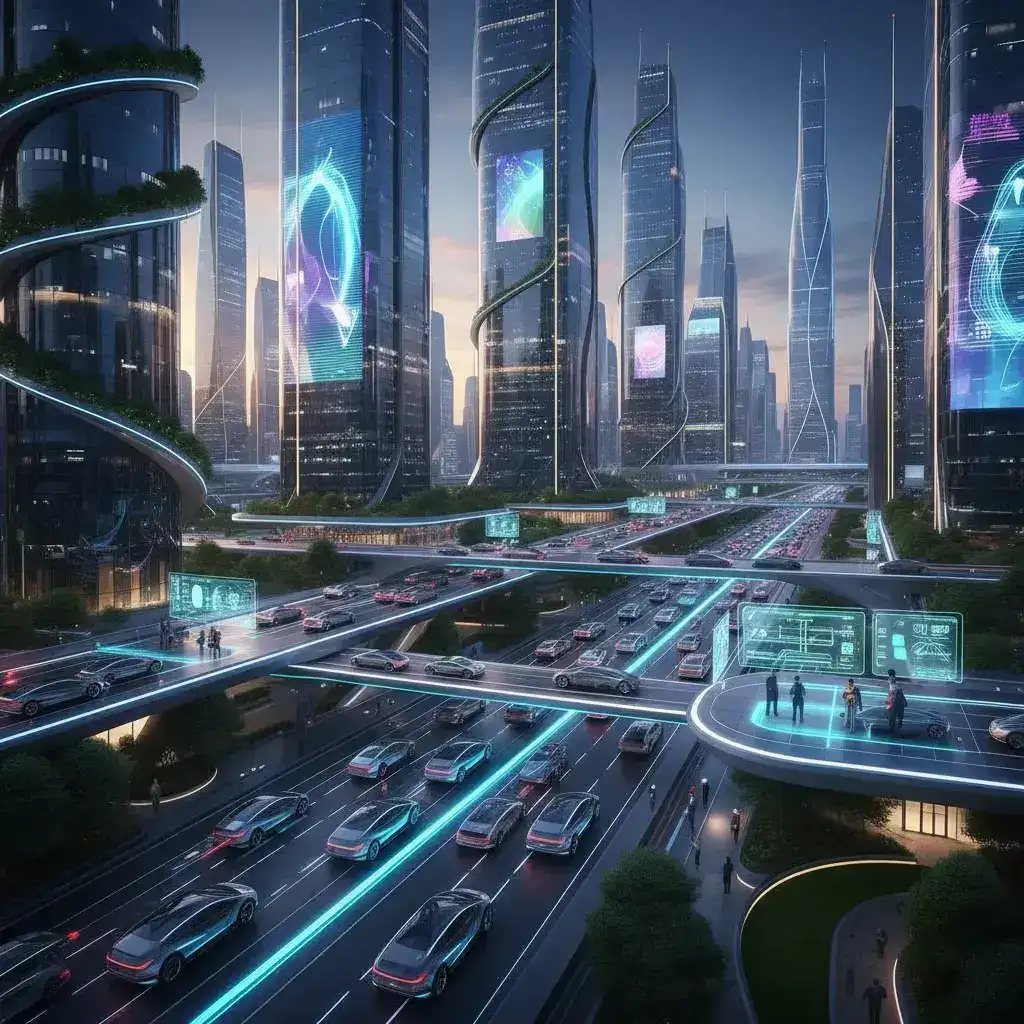
The roar of an engine, the sleek lines of a new model, the sheer freedom of the open road – for decades, the automotive industry has captivated our imaginations. But what if we told you that the very essence of driving is on the cusp of a monumental transformation? We’re not just talking about incremental improvements; we’re witnessing a complete reimagining of how we move, interact with our vehicles, and experience the journey. This exploration into the future of automotive innovation will unveil the groundbreaking technologies and visionary concepts set to redefine the next generation of transportation, promising a ride that’s safer, smarter, and infinitely more thrilling.
The Electric Revolution: Powering Tomorrow’s Roads
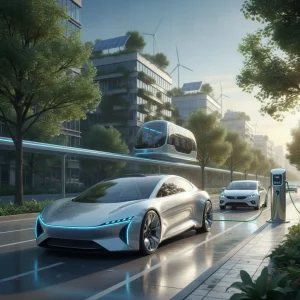
The transition from fossil fuels to electric power is arguably the most significant shift in the automotive landscape. Electric Vehicles (EVs) are no longer a niche market; they are mainstream, driven by technological advancements and a global push for sustainability. The IEA Global EV Outlook 2023 reported that electric car sales exceeded 10 million in 2022, and are projected to grow by another 35% in 2023, reaching 14 million. This explosive growth is fueled by more efficient batteries, offering ranges exceeding 300 miles on a single charge for many models, and a rapidly expanding charging infrastructure.
Beyond passenger cars, electrification is permeating commercial fleets, public transport, and even heavy-duty trucks. Innovations in solid-state batteries promise even greater energy density, faster charging times, and enhanced safety, potentially revolutionizing the industry further within the next five to ten years. The hum of an electric motor is fast becoming the sound of progress, promising a cleaner, quieter urban environment and a significant reduction in tailpipe emissions.
Autonomous Driving: The Road to Self-Reliance
Imagine a world where your car drives itself, navigating traffic, parking, and even picking you up. This isn’t science fiction; it’s the imminent reality of autonomous driving. Defined by SAE International’s J3016 standard, levels of driving automation range from Level 0 (no automation) to Level 5 (full automation). While Level 5 is still some years away, Level 2 and Level 3 systems, offering features like adaptive cruise control and lane-keeping assistance, are already common in many new vehicles.
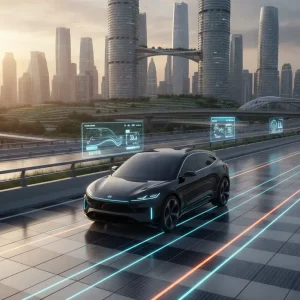
The development of advanced sensor arrays, sophisticated AI algorithms, and real-time mapping technology is accelerating the journey towards higher levels of autonomy. Companies are investing billions in perfecting the complex interplay of cameras, radar, lidar, and ultrasonic sensors to create vehicles that can perceive their surroundings with unparalleled accuracy. The potential benefits are profound: a significant reduction in accidents caused by human error, increased road capacity, and newfound freedom for commuters and those unable to drive.
Sustainable Mobility: Beyond the Tailpipe
Sustainability in automotive extends far beyond just electric powertrains. The industry is embracing a holistic approach, focusing on the entire lifecycle of a vehicle, from raw materials to end-of-life recycling. Manufacturers are increasingly utilizing recycled and bio-based materials in interiors and body panels, reducing their environmental footprint and promoting a circular economy. The pursuit of lightweight materials, such as advanced composites and aluminum alloys, also contributes to greater energy efficiency, whether the vehicle is electric or combustion-powered.
Furthermore, alternative fuels like hydrogen fuel cells are gaining traction, offering zero-emission driving with rapid refueling times, particularly for larger vehicles and long-haul transport. Initiatives like those highlighted by UNEP’s sustainable transport efforts underscore the global commitment to greener mobility solutions. This includes the rise of shared mobility services, which reduce the total number of vehicles on the road, optimizing resource usage and alleviating urban congestion.
Connectivity and AI: The Intelligent Car Experience
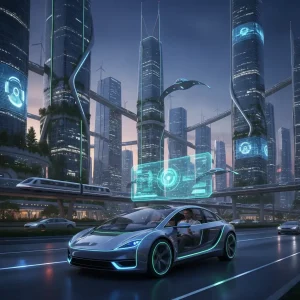
Modern vehicles are evolving into sophisticated, connected devices, seamlessly integrated into our digital lives. Connectivity, powered by 5G technology, enables real-time communication between vehicles (V2V), with infrastructure (V2I), and with pedestrians (V2P), creating a vast network that enhances safety and efficiency. This Vehicle-to-Everything (V2X) communication is crucial for the success of autonomous systems, allowing cars to anticipate hazards and traffic conditions beyond their immediate line of sight.
Artificial Intelligence (AI) is the brain behind this intelligence, personalizing the driving experience, optimizing routes, and even predicting maintenance needs. From advanced infotainment systems that learn your preferences to predictive analytics that identify potential mechanical issues before they become critical, AI is making cars smarter and more intuitive. Companies like Qualcomm are at the forefront of developing powerful automotive platforms that integrate these cutting-edge AI and connectivity solutions, transforming the cabin into a dynamic, personalized hub for productivity and entertainment.
Design and Personalization: Crafting the Future Ride
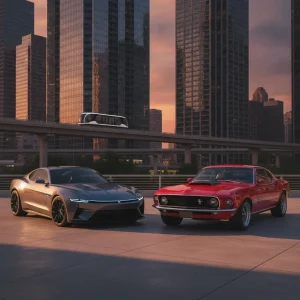
As the underlying technology transforms, so too does the aesthetic and functional design of vehicles. Electric powertrains free designers from the constraints of traditional engine bays, allowing for more spacious interiors and radical exterior forms. We’re seeing concepts that prioritize aerodynamic efficiency, interior comfort, and modularity, giving rise to unique silhouettes that break from conventional automotive norms. The future of car design, as explored in articles such as Car and Driver’s look at future cars, will be defined by innovation.
Personalization is another key trend. From customizable interior lighting and digital displays to bespoke material choices and over-the-air software updates that tailor vehicle characteristics, cars are becoming extensions of our individual identities. The user experience is paramount, with intuitive interfaces, augmented reality displays, and biometric sensors creating a deeply immersive and personalized environment. The vehicle of tomorrow won’t just take you from A to B; it will be a highly adaptive, intelligent space designed specifically for you.
The automotive industry is in a period of unprecedented change, driven by a convergence of technological breakthroughs and a global desire for more sustainable and efficient transportation. From the silent hum of electric motors to the seamless intelligence of autonomous systems, the future promises a driving experience that is safer, more connected, and deeply personalized. The road ahead is paved with innovation, and we are all passengers on this exhilarating journey into tomorrow’s mobility.