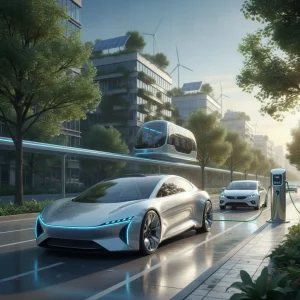
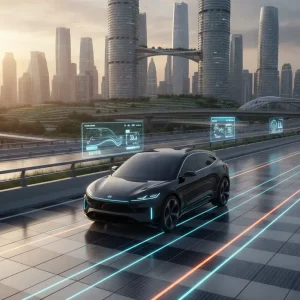
Automotive Industry Trends Reshaping Global Mobility
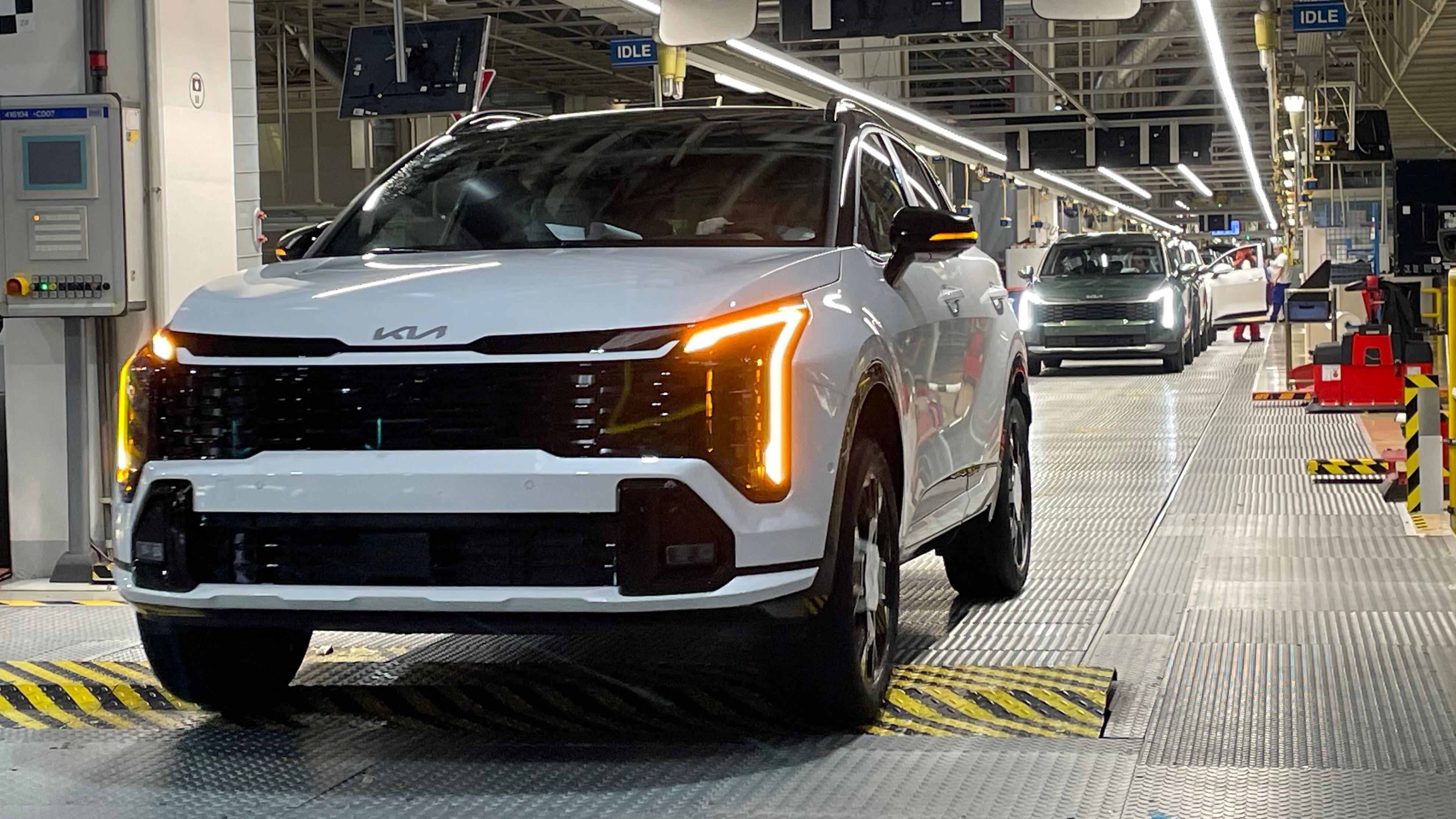
Automotive Industry Trends
Automotive Industry Trends Reshaping Global Mobility defines the structural transformation underway across manufacturing, energy systems, software architecture, distribution, and consumer behavior, driven by electrification, autonomy, connectivity, digitization, sustainability mandates, and new economic models.
Electrification and the Battery Value Chain
Electrification has shifted from peripheral innovation to core industrial doctrine. Internal combustion engineering no longer dictates capital allocation. Battery chemistry, cell manufacturing scale, power electronics integration, and charging infrastructure density determine competitive position.
Global battery capacity expansion reflects this pivot. Manufacturers integrate vertically to secure raw materials such as lithium, nickel, cobalt, and graphite. Direct sourcing agreements reduce exposure to commodity volatility. Refining capacity, not extraction alone, constrains output. Regions accelerate domestic supply chains to reduce geopolitical risk.
Lithium iron phosphate chemistry gains share due to lower cost and thermal stability, displacing nickel manganese cobalt variants in entry and mid-range vehicles. Solid state battery research aims to increase energy density and reduce flammability. Commercialization timelines remain uncertain due to scaling constraints and manufacturing yield challenges.
Vehicle platforms are redesigned around skateboard architectures. Structural battery packs lower center of gravity and simplify assembly. Over-the-air software updates manage thermal performance, charging curves, and degradation optimization. Energy management becomes software-defined.
Charging infrastructure deployment determines adoption velocity. High power DC fast charging corridors expand along major transport routes. Urban density requires distributed slow charging embedded into residential and commercial structures. Bidirectional charging enables vehicle-to-grid stabilization, aligning automotive assets with renewable intermittency.
Policy frameworks mandate phaseouts of combustion engines in several markets. Subsidies accelerate early adoption but decline as cost parity approaches. Carbon accounting across lifecycle emissions reshapes regulatory compliance.
Major manufacturers accelerate electrification strategies, including platform consolidation under groups such as Volkswagen Group, battery ecosystem development by BYD, and dedicated electric architecture from Tesla. These strategic realignments illustrate structural commitment rather than transitional experimentation.
Electric vehicle profitability depends on scale, supply chain integration, and software monetization. Margins remain thinner than legacy combustion models in many segments, but cost curves decline as gigafactories reach capacity utilization thresholds.
Software Defined Vehicles and AI Integration
Vehicles transition from mechanical systems augmented by electronics to computational platforms with mechanical peripherals. Control units consolidate into centralized computing architectures. Domain controllers replace fragmented modules.
Software defined vehicles rely on high performance chips, real-time operating systems, and secure update pipelines. Continuous deployment models replicate consumer technology paradigms. Feature activation shifts from hardware constraints to software licensing.
Artificial intelligence expands beyond driver assistance. Machine learning models manage predictive maintenance, energy optimization, personalized cabin settings, route planning, and safety interventions. Data collected from fleet telemetry feeds algorithm refinement.
Autonomous driving development stratifies into incremental driver assistance and full self driving research. Sensor fusion combines cameras, radar, lidar, and ultrasonic inputs. Edge computing processes data in milliseconds. Regulatory approval constrains deployment beyond limited geofenced domains.
Companies such as NVIDIA provide automotive-grade compute platforms enabling deep learning at scale. Mobility platforms like Waymo test autonomous ride-hailing in defined territories. Technology firms including Apple explore automotive software integration through ecosystem expansion.
Cybersecurity becomes foundational. Connected vehicles expand attack surfaces through telematics, infotainment systems, and remote diagnostics. Secure boot, encryption protocols, and intrusion detection systems protect vehicular networks.
Revenue models expand via subscription features. Heated seats, advanced navigation, and autonomous packages become unlockable digital services. Hardware installed at production enables future monetization. Lifecycle revenue extends beyond initial sale.
Software talent acquisition reshapes workforce composition. Automotive firms compete directly with technology companies. Development cycles shorten. Agile methodology replaces linear design timelines.
Automotive Industry Trends on Autonomous Mobility and Sensor Ecosystems
Autonomous mobility development reflects long-term strategic positioning rather than immediate mass adoption. Level-based automation frameworks define capability tiers from driver assistance to full autonomy. Commercial viability currently centers on structured environments such as logistics hubs and limited urban districts.
Sensor cost reduction determines scalability. Lidar pricing declines due to manufacturing optimization. High resolution cameras supplemented by radar improve redundancy. Fail operational systems ensure safe fallback in case of hardware failure.
Mapping accuracy becomes mission critical. High definition maps integrate lane level detail, signage metadata, and environmental semantics. Real time updates adjust for road construction and traffic anomalies.
Regulatory environments diverge globally. Some jurisdictions permit pilot deployment under strict oversight. Others restrict testing to closed environments. Liability frameworks remain under negotiation, balancing manufacturer responsibility against operator accountability.
Autonomous freight demonstrates clearer economic logic than passenger transport. Long haul trucking faces driver shortages and rising labor costs. Automation increases asset utilization through extended operational hours.
Companies such as Cruise and Baidu Apollo deploy pilot programs integrating autonomous navigation within defined ecosystems. Strategic partnerships with municipalities facilitate infrastructure adaptation.
Public perception influences regulatory pace. Safety incidents trigger scrutiny. Transparency in performance metrics affects acceptance.
Sustainable Manufacturing and Circular Economy
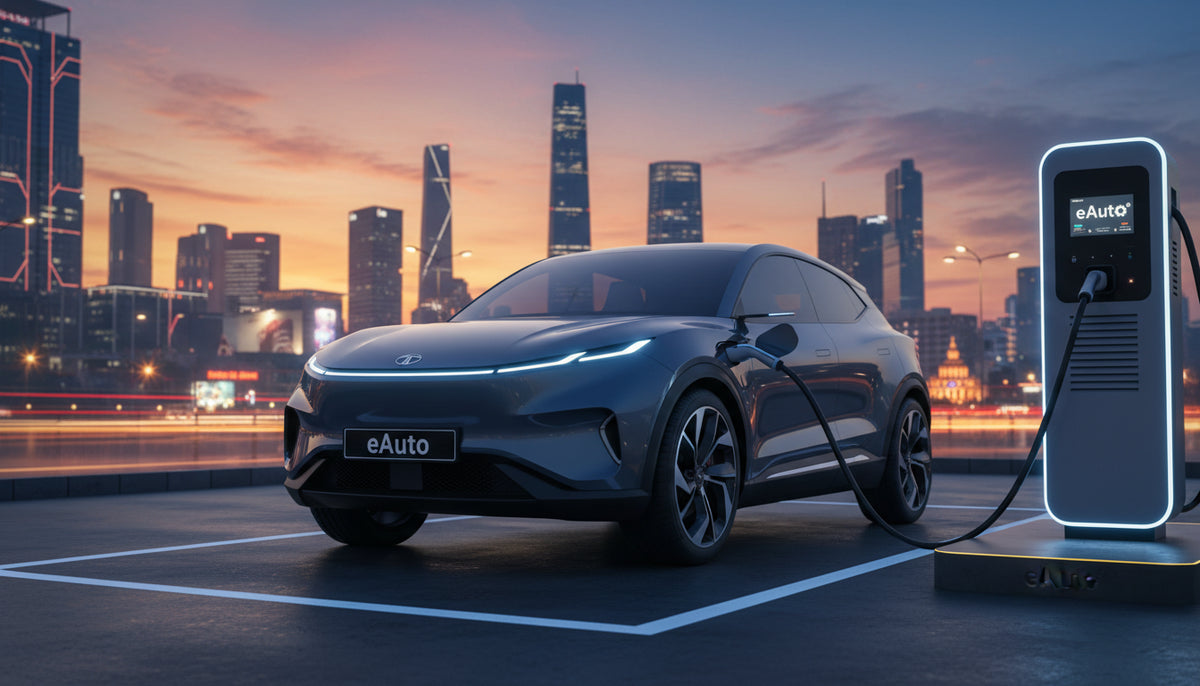
Environmental pressure extends beyond tailpipe emissions. Lifecycle assessment evaluates extraction, production, logistics, usage, and end of life phases. Manufacturing plants integrate renewable energy sources to reduce embedded carbon.
Recycling systems target battery materials recovery. Closed loop processing reintroduces lithium and nickel into new cells. Hydrometallurgical methods improve efficiency compared to pyrometallurgical alternatives.
Lightweight materials reduce energy consumption. Aluminum, high strength steel, and carbon fiber composites decrease mass while preserving structural integrity. Manufacturing complexity increases accordingly.
Water usage optimization becomes central in regions facing scarcity. Paint shops adopt low emission coatings. Waste heat recovery enhances plant efficiency.
Supply chain transparency platforms track material provenance. Ethical sourcing frameworks address labor and environmental standards in mining operations. Corporate disclosures expand under environmental governance reporting requirements.
Major manufacturers publish sustainability roadmaps, including initiatives by Toyota, commitments to electrified portfolios by General Motors, and carbon neutrality targets from Volvo Cars. These strategies align brand positioning with regulatory compliance.
Second life battery applications extend value beyond automotive usage. Stationary energy storage systems integrate repurposed modules. Grid stabilization and renewable smoothing create additional revenue streams.
Circular economy principles redefine ownership expectations. Remanufacturing, refurbishment, and component reuse reduce resource intensity.
Direct Sales, Mobility Services, and Consumer Shift
Distribution models evolve from dealership centric frameworks to hybrid digital ecosystems. Direct to consumer sales bypass traditional intermediaries in select markets. Online configuration tools and remote financing streamline purchasing.
Consumer behavior shifts toward experience rather than ownership. Subscription models offer flexible access to multiple vehicle types. Ride-hailing platforms influence urban transportation patterns.
Data driven personalization influences marketing strategies. Behavioral analytics target potential buyers with tailored incentives. Predictive modeling estimates lifetime value rather than one time transaction profit.
Digital retail platforms enable transparent pricing. Virtual showrooms reduce physical footprint requirements. Inventory management integrates real time demand forecasting.
Companies such as Hyundai experiment with mobility services. Ride-hailing expansion through Uber reshapes urban demand patterns. Electric platform scaling by Rivian integrates direct sales approaches.
Financing structures adapt to new usage patterns. Leasing models expand. Residual value prediction becomes more complex due to technological obsolescence risk in software intensive vehicles.
Brand differentiation shifts from engine performance to ecosystem integration. Charging networks, digital services, and software updates influence loyalty.
Semiconductor Supply and Geopolitical Realignment
Semiconductor availability determines production capacity. Automotive grade chips require long validation cycles and specific durability standards. Pandemic disruptions exposed just in time vulnerabilities.
Manufacturers pursue supply diversification and strategic stockpiling. Domestic fabrication incentives emerge in multiple regions to reduce dependency. Long term contracts replace short term procurement.
Chip architecture centralization increases demand for advanced nodes. Autonomous and AI workloads require high performance computing beyond traditional microcontrollers.
Partnerships with semiconductor firms deepen. Collaborative design ensures automotive compliance. Vertical integration strategies aim to internalize chip development capabilities.
Geopolitical tensions affect export controls and trade flows. Risk mitigation requires multi region sourcing and inventory optimization.
Energy Integration and Infrastructure Convergence
Electric mobility intersects with broader energy systems. Smart charging aligns with grid demand cycles. Time of use pricing encourages off peak consumption.
Vehicle to home integration allows backup power during outages. Distributed energy resources coordinate via digital platforms. Renewable generation growth increases reliance on flexible storage assets.
Utility partnerships with automakers expand. Charging infrastructure deployment aligns with grid reinforcement investments.
Hydrogen fuel cell development persists in commercial transport segments. Infrastructure constraints limit passenger adoption. Heavy duty applications present longer range use cases.
Data Monetization and Digital Ecosystems

Automotive Industry Trends position vehicle generated data as strategic asset pools that redefine competitive advantage. Within Automotive Industry Trends, telematics deliver insurance risk modeling inputs, while usage based insurance models price premiums dynamically.
Automotive Industry Trends drive infotainment systems to integrate third party applications as embedded platforms. Through Automotive Industry Trends, app store models replicate smartphone ecosystems and revenue sharing agreements establish new income streams.
Automotive Industry Trends reshape privacy regulation and data governance structures. Under Automotive Industry Trends, compliance frameworks mandate transparency in data collection and usage, and consumer trust directly influences adoption.
Automotive Industry Trends expand cloud connectivity to enable remote diagnostics and fleet management optimization. In Automotive Industry Trends, predictive maintenance reduces downtime across commercial fleets.
Automotive Industry Trends deploy digital twins to simulate vehicle performance in virtual environments. Guided by Automotive Industry Trends, design iteration accelerates and manufacturing defects are identified before physical deployment.
Workforce Transformation and Skill Realignment
Mechanical engineering expertise remains necessary but insufficient. Software engineers, data scientists, cybersecurity specialists, and battery chemists become critical.
Reskilling initiatives address workforce displacement from combustion engine production decline. Automation in manufacturing reduces manual labor demand while increasing technical oversight requirements.
Academic partnerships expand research in materials science, AI, and sustainable energy systems. Talent competition intensifies globally.
Organizational structures flatten to enable faster innovation cycles. Cross functional collaboration between hardware and software teams becomes standard.
Strategic Consolidation and Platform Alliances
Capital intensity drives collaboration. Joint ventures share development costs for platforms and batteries. Scale economies reduce per unit expenses.
Platform sharing across brands reduces redundancy. Modular architectures support multiple body styles and regional variants.
Mergers and acquisitions consolidate technological capabilities. Startups specializing in lidar, battery management, and software are integrated into established manufacturers.
Competitive differentiation narrows as technology standardizes. Branding, user experience, and ecosystem integration determine long term positioning.
Automotive Industry Trends Reshaping Global Mobility reflects systemic restructuring across energy, computation, manufacturing, finance, regulation, and consumer behavior. Electrification, software centralization, autonomy research, sustainability mandates, digital commerce, and geopolitical recalibration collectively redefine competitive advantage. Strategic survival depends on integration across these domains rather than incremental adaptation within legacy frameworks.