Automotive Digital Marketing Strategies Driving Sales
Automotive Digital Marketing Strategies Driving Sales
Automotive Digital Marketing Strategies Driving Sales defines the structural shift from inventory centric promotion to data driven acquisition systems built on search intent targeting, paid media optimization, customer relationship automation, reputation management, and lifecycle retention modeling within a digitally dominant automotive marketplace.
Search Engine Dominance and High Intent Traffic
Search Engine Optimization for Dealership Authority
Automotive buyers initiate research through search engines. High intent queries such as car financing options, electric vehicle range comparison, and local dealership reviews signal readiness stages within the purchase funnel. Ranking visibility determines pipeline volume.
Search engine optimization requires technical site architecture, structured data implementation, mobile performance optimization, and local listing consistency. Platforms such as Google Search prioritize relevance, authority, and user experience metrics.
Local optimization remains critical. Accurate business information within Google Business Profile enhances map pack visibility. Review velocity and response management influence ranking signals and conversion probability.
Content clusters built around model comparisons, maintenance guides, financing breakdowns, and ownership cost analysis increase topical authority. Semantic keyword mapping ensures coverage across awareness, consideration, and decision stages.
Automotive Digital Marketing Strategies Driving Sales integrates SEO with inventory data feeds. Structured markup enables vehicle listing indexing. Real time inventory synchronization reduces bounce caused by outdated listings.
Paid Search and Performance Advertising
Paid search campaigns capture bottom funnel demand. Bid optimization strategies allocate budget toward high converting keywords such as certified pre owned deals or lease specials near me.
Platforms such as Google Ads enable geo targeting and audience segmentation. Negative keyword refinement eliminates irrelevant traffic. Dynamic search ads scale coverage across evolving inventory.
Cost per acquisition modeling determines profitability. Conversion tracking must integrate CRM attribution to evaluate true return on ad spend. First click attribution distorts evaluation; multi touch modeling provides realistic channel contribution.
Automotive Digital Marketing Strategies Driving Sales requires continuous A B testing of ad copy, landing page layout, and call extensions to improve click through and lead submission rates.
Social Media Targeting and Audience Modeling
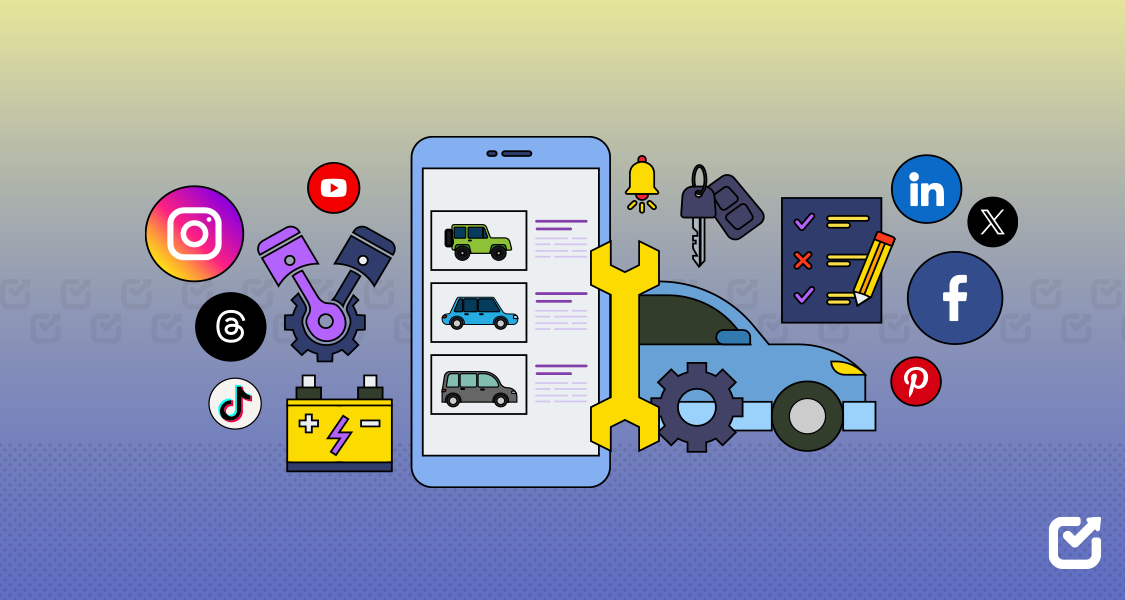
Precision Targeting Through Behavioral Data
Social media platforms provide granular audience segmentation based on demographics, interests, and behavioral signals. Automotive brands leverage retargeting to reengage website visitors who viewed specific models.
Advertising platforms such as Meta Ads Manager enable lookalike audience modeling derived from existing customer databases. This extends reach toward statistically similar prospects.
Creative optimization matters. Carousel ads displaying multiple trims outperform static creative in certain segments. Short form video content demonstrating vehicle features increases engagement metrics.
Automotive Digital Marketing Strategies Driving Sales aligns creative messaging with buyer persona segmentation. First time buyers respond to financing education content. Performance oriented buyers engage with horsepower and torque demonstration.
Influencer and Community Integration
Automotive communities form around performance, electric adoption, luxury ownership, and off road modification. Collaboration with niche creators amplifies credibility.
Video platforms such as YouTube host long form reviews influencing purchase decisions. Sponsored walkthroughs and comparison analysis integrate brand messaging into organic content ecosystems.
Authenticity drives effectiveness. Over scripted promotional material reduces trust. Data indicates that viewers value transparent performance testing over purely promotional framing.
Community management extends beyond advertising. Responding to comments, addressing complaints publicly, and showcasing user generated content reinforces brand perception.
Marketing Automation and Lead Nurturing Systems
CRM Integration and Lifecycle Sequencing
Lead capture without follow up automation reduces conversion probability. Customer relationship management platforms track inquiry origin, interaction history, and purchase stage.
Systems such as Salesforce Automotive Cloud centralize data across departments. Automated email sequences provide financing guidance, trade in valuation prompts, and appointment reminders.
Behavior based triggers escalate outreach intensity. If a prospect revisits a specific vehicle page multiple times, the system can prompt targeted communication.
Automotive Digital Marketing Strategies Driving Sales integrates CRM with inventory management. When a desired trim becomes available, automated alerts notify prospects, reducing sales cycle friction.
Chatbots and Conversational Interfaces
Website chat interfaces capture inquiries outside business hours. Artificial intelligence chatbots answer frequently asked questions regarding pricing, availability, and service scheduling.
Conversational platforms integrated with messaging channels such as WhatsApp Business extend engagement into preferred communication mediums.
Natural language processing reduces response latency and improves user experience. However, escalation to human representatives remains necessary for complex negotiations.
Automation increases speed and consistency but requires ongoing monitoring to prevent inaccurate responses.
Reputation Management and Trust Signals
Review Aggregation and Response Strategy
Consumer trust heavily depends on public reviews. Platforms such as Trustpilot and search engine review ecosystems influence dealership selection.
Active solicitation of post purchase reviews increases volume. Prompt response to negative feedback demonstrates accountability. Resolution transparency mitigates reputational damage.
Star rating thresholds correlate with click through rate from search results. Review snippets displayed in structured search results enhance visibility.
Automotive Digital Marketing Strategies Driving Sales includes systematic reputation auditing and sentiment analysis.
Content Authority and Educational Assets
Buyers conduct extensive research before visiting showrooms. Educational resources addressing maintenance cost, electric charging logistics, warranty coverage, and insurance comparison position dealerships as advisory authorities.
Long form guides optimized for featured snippets increase organic reach. Comparative analysis between models reduces perceived information asymmetry.
Video tutorials demonstrating vehicle technology features reduce uncertainty. Transparency regarding pricing structure and financing breakdown enhances credibility.
Trust signals extend to secure website architecture. SSL encryption and visible privacy policy documentation reassure data submission safety.
Data Analytics and Conversion Optimization
Attribution Modeling and Performance Metrics
Accurate measurement determines resource allocation. Multi channel attribution systems analyze interaction sequences across paid search, social, email, and organic channels.
Analytics platforms such as Google Analytics provide user journey mapping. Event tracking identifies friction points within lead forms and checkout processes.
Heatmap tools visualize scroll depth and click distribution. Layout adjustments based on behavioral insight increase form completion rates.
Automotive Digital Marketing Strategies Driving Sales requires disciplined experimentation cycles. Hypothesis driven testing replaces intuition based design.
Personalization and Predictive Modeling
Predictive analytics forecast purchase probability based on browsing behavior and demographic attributes. Personalized homepage content adjusts vehicle recommendations dynamically.
Machine learning models score leads according to engagement intensity. Sales teams prioritize high probability prospects.
Dynamic pricing strategies adjust incentives according to inventory aging metrics. Real time data integration supports margin optimization.
Privacy compliance remains mandatory. Transparent consent mechanisms align with regulatory standards.
Video Marketing and Immersive Experience
Virtual Showrooms and Interactive Tours
Digital showroom experiences replicate physical inspection through high resolution imagery and 360 degree exploration. Interactive features allow color and trim visualization.
Augmented reality tools enable customers to project vehicles into real world environments using smartphone cameras.
Video walkarounds increase session duration. Demonstrations of driver assistance systems, infotainment interfaces, and cargo capacity address practical concerns.
Hosting platforms such as Vimeo provide embedded playback with analytics integration. View completion rate correlates with purchase readiness.
Short Form and Live Streaming
Short form vertical video content distributed across social platforms captures mobile attention. Live streaming product launches creates urgency and real time engagement.
Live Q and A sessions with product specialists address buyer objections directly. Archive of recorded streams expands content library.
Automotive Digital Marketing Strategies Driving Sales leverages video analytics to refine content topics based on viewer retention curves.
Omnichannel Consistency and Brand Cohesion
Unified Messaging Across Platforms
Brand inconsistency erodes trust. Visual identity, pricing transparency, and promotional messaging must remain aligned across website, social channels, email campaigns, and paid advertisements.
Centralized asset management systems prevent outdated creative deployment. Cross departmental coordination ensures synchronized promotional timing.
Omnichannel tracking connects offline showroom visits with online touchpoints. QR codes and appointment scheduling links attribute in store conversions to digital campaigns.
Integration with Inventory and Financing Systems
Real time inventory synchronization eliminates discrepancy between advertised and available units. API integration between marketing platform and dealer management system ensures accuracy.
Online financing pre approval reduces friction before physical visit. Digital document upload accelerates transaction closure.
Automotive Digital Marketing Strategies Driving Sales aligns marketing operations with backend systems to prevent operational misalignment.
Competitive Differentiation in Saturated Markets
Content Depth and Analytical Transparency
Dealership competition intensifies in metropolitan regions. Differentiation requires depth rather than volume. Comparative performance charts, total cost of ownership calculators, and electric range simulation tools create analytical advantage.
Data transparency regarding fees and incentives reduces suspicion. Clear explanation of warranty coverage and maintenance packages builds trust.
Authority arises from consistent publication of insight rather than sporadic promotion.
Strategic Budget Allocation
Budget distribution must reflect conversion efficiency. Overinvestment in awareness campaigns without retargeting reduces return. Data guided reallocation maximizes impact.
Seasonal demand fluctuations require agile adjustment. Inventory surplus models influence promotional emphasis.
Automotive Digital Marketing Strategies Driving Sales integrates financial modeling with campaign execution to maintain profitability.
Structural Shift Toward Digital First Sales
Consumer expectation shifts toward seamless online experience. Research, financing, negotiation, and scheduling increasingly occur before physical interaction.
Digital literacy among buyers increases tolerance for transparent pricing but decreases tolerance for friction. Slow websites and delayed responses reduce conversion probability.
The dealership evolves from primary information source to final validation stage. Marketing must anticipate this transition.
Automotive Digital Marketing Strategies Driving Sales therefore represents systemic alignment between search visibility, paid acquisition, automation, analytics, reputation management, and omnichannel consistency. Execution precision determines revenue stability in an environment where consumer attention is fragmented and digital trust defines competitive advantage.