Classic Muscle Car Restoration Techniques
Classic Muscle Car Restoration Techniques
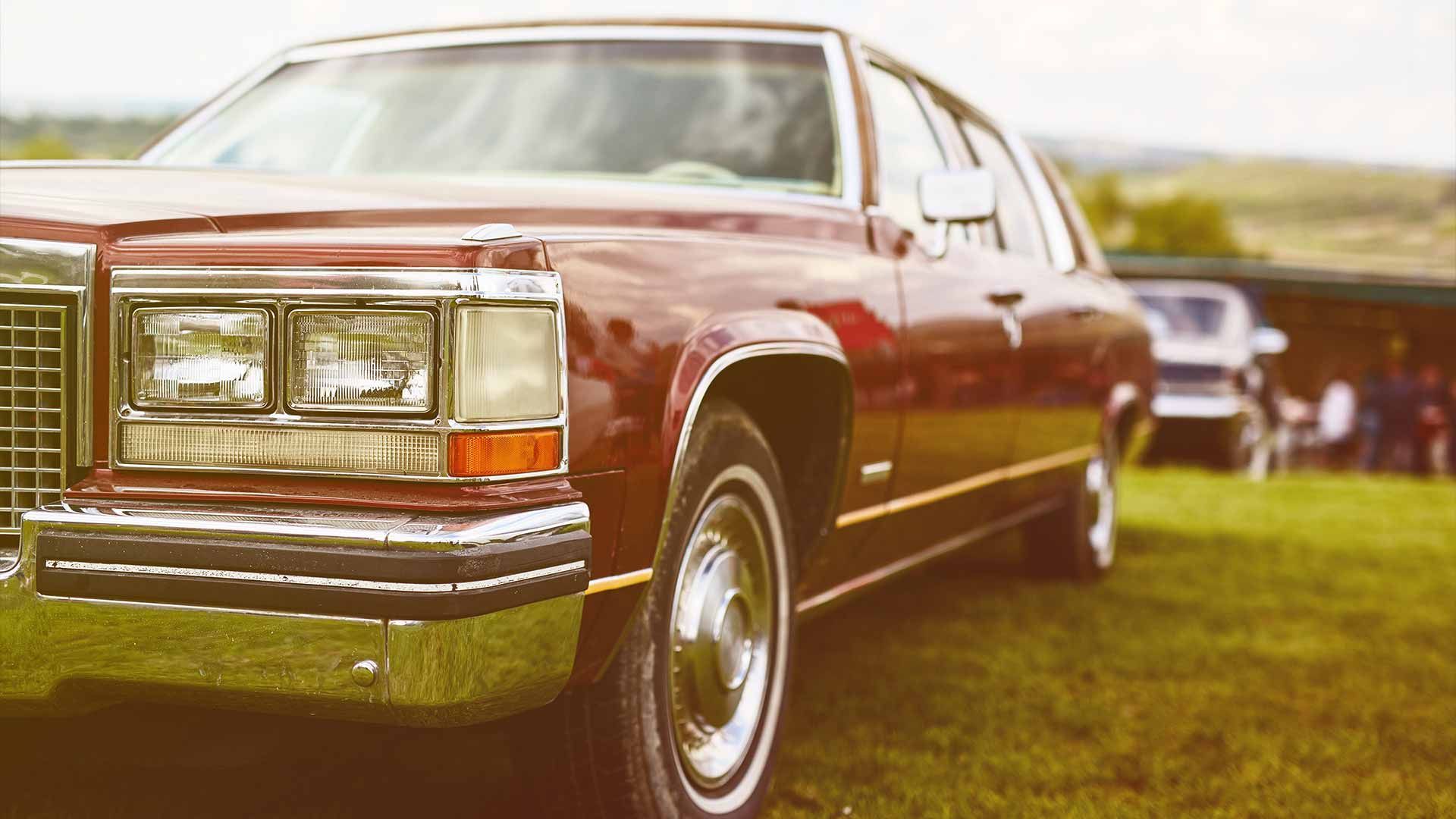
Classic Muscle Car Restoration Techniques define structured methods to return high-performance legacy vehicles to original or enhanced condition. Classic Muscle Car Restoration Techniques encompass bodywork, engine rebuilds, electrical reconditioning, suspension refinement, interior refurbishment, and detailed finishing practices that uphold historic value while improving reliability and performance.
Bodywork and Structural Integrity
Assessing Rust and Frame Health
Begin with a thorough inspection of the unibody and ladder frame structures. Rust perforation in the rocker panels, floor pans, and frame rails undermines structural rigidity. Remove surface paint to expose hidden corrosion and use mechanical wire brushes to evaluate metal thickness. If the frame is compromised, refer to the comprehensive restoration guides at Hemmings Restoration Guides which detail cut-out and patch procedures for common muscle car platforms. Achieve precise metal replacement by cutting back to sound metal and welding in new steel panels matched in thickness to original gauge.
Panel Alignment and Fitment
Panel alignment dictates final appearance. Doors, fenders, and trunks must close with uniform gaps. Use adjustable body stands and precision measuring tools to align panels. Excessive gap variance signals subframe distortion or incorrect hinge placement. Muscle car enthusiasts rely on Classic Industries Fit Tips for model-specific alignment techniques that restore OEM tolerances. Clamps and body dollies help hold panels while tack welding secures fit prior to final seams.
Surface Preparation for Paint
Once panels are aligned, prepare surfaces for paint. Remove old coatings with chemical strippers or abrasive blasting, controlling media to protect thin metal. Feather edge transitions to eliminate abrupt thickness changes. Apply high-build primer and block sand with progressively finer grits to achieve a uniform surface. Cross-hatch sanding patterns eliminate surface waviness. Reference Eastwood Body Prep Resources for primer and block sanding strategies that support professional grade finishes.
Engine Rebuild and Powertrain Renewal
Disassembly and Inspection
Execute a methodical teardown of the powertrain. Label all fasteners, sensor harnesses, and brackets. Photograph components before removal to assist reassembly. Inspect the block for core dimension integrity and check cylinder bore taper with a bore gauge. Assess crankshaft journals for wear and scoring. If journals exceed tolerance, plan for grinding and fitting undersized bearings. Classic engines like the Mopar Hemi and Ford V8 follow similar teardown disciplines outlined at Engine Builder Magazine which provides teardown protocols favored by industry rebuilders.
Cylinder Head and Valve Train Refurbishment
Remove cylinder heads and inspect valve seats, guides, and springs. Clean carbon deposits with media blasting or chemical soak, preserving seating surfaces. Replace worn valve guides and cut new seats with a seat cutter to ensure concentric sealing. Test valve springs with a spring tester to validate free length and pressure. Resurface heads to restore flatness and consult HowStuffWorks Cylinder Head Guide to understand airflow dynamics that influence torque and horsepower gains during reassembly.
Crankshaft and Rotating Assembly Balancing
Balance the crankshaft with the connecting rods and pistons to reduce vibration and high-rpm stress. Dynamic balancing machines help equalize mass distribution. Install new piston rings with correct end gap clearances measured with a feeler gauge. Lubricate all moving parts with assembly lube to prevent initial dry startup wear. Torque main and rod bolts in the sequence and specification provided by model-specific manuals. Reference Summit Racing Tech for torque specs and balancing reference materials specific to popular muscle powerplants.
Suspension, Braking, and Steering Refinement
Suspension Component Renewal
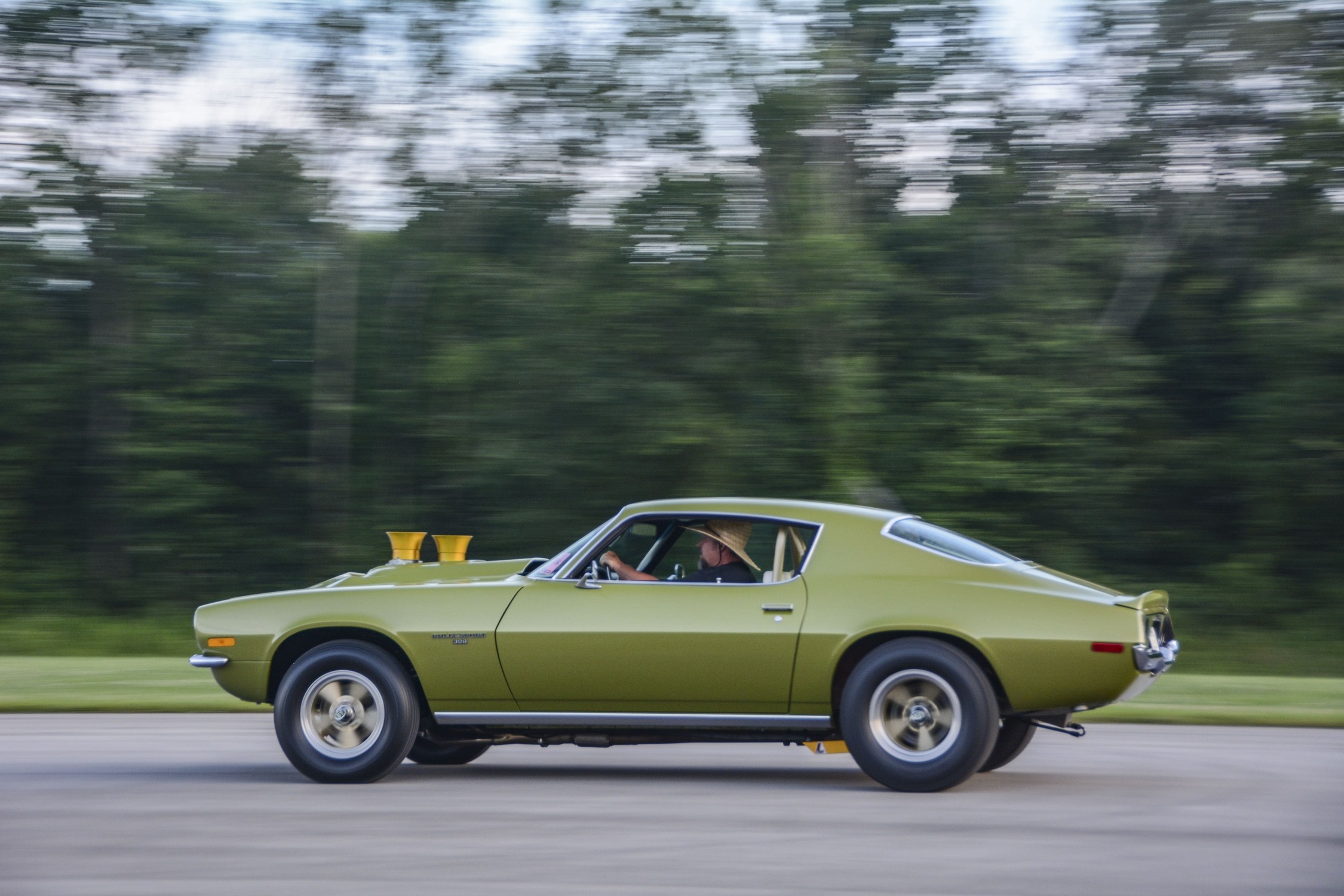
Replace worn bushings with polyurethane units that provide improved control without excessive harshness. Inspect leaf springs and coil springs for sag and fatigue. Rebuild or replace shock absorbers with performance units matched to ride quality goals. Classic muscle cars often benefit from upgraded sway bars to reduce body roll. Consult the technical articles at Hot Rod Network Suspension Guides for step-by-step suspension overhaul procedures that elevate handling while retaining classic character.
Steering System Precision
Rebuild the steering box or rack and pinion assembly. Replace worn tie rods and idler arms. Set toe-in and caster/camber angles using precision alignment tools. Steering slop degrades handling confidence and accelerates tire wear. Professional alignments adhere to factory specifications, often documented in Motor Age Tech Data which delivers alignment parameters for legacy muscle platforms.
Brake System Upgrade
Replace old brake lines with stainless steel braided lines to eliminate expansion and improve pedal feel. Rebuild calipers or install new units and match with quality pads and rotors sized for the vehicle’s weight and performance level. Drum brakes may require new wheel cylinders, shoes, and high-temperature hardware kits. Reference Brake Performance Tech materials that explain heat management and pad compound selection for effective stopping power.
Electrical Systems and Modern Integration
Wiring Harness Restoration
Inspect and restore the main wiring harness. Old insulation becomes brittle, leading to shorts and intermittent faults. Replace harness sections with modern wiring that uses equal or greater gauge to support accessories. Use proper crimp connectors and solder joints protected with heat-shrink tubing. Ground circuits securely to factory ground points cleaned to bare metal. Follow the universal wiring principles found at Automotive Wiring Pro for harness repair and expansion.
Upgrading Charging and Ignition of Classic Muscle Car
Install a high-output alternator to support modern electrical loads. Upgrade to an electronic ignition system to improve starting and idle stability. Electronic ignition modules deliver consistent spark timing and reduce maintenance compared to points systems. Use quality spark plug wires and caps to minimize electromagnetic interference. Technical ignition tuning strategies appear in the knowledge base at Performance Ignition Systems which explains dwell, timing, and spark energy considerations.
Integrating Modern Electronics
Integrate modern conveniences such as electronic fuel injection (EFI) for improved throttle response and fuel economy. EFI systems adjust fuel delivery based on sensor feedback, eliminating carburetor tuning headaches. Choose standalone EFI systems with clear documentation and support. Connect digital gauges and data loggers to monitor oil pressure, coolant temperature, and AFR in real time. Manufacturer support and installation guides are available at Holley EFI Resources which offer calibration steps tailored to classic V8 engines.
Interior Restoration and Ergonomics Classic Muscle Car
Seat and Trim Reconditioning
Recover seats with period-correct or upgraded upholstery materials. Replace foam cores to restore comfort and support. Inspect seat frames for corrosion and repair as necessary. Trim panels should be straight, free of cracks, and properly fit against door skins and interior reveal edges. Reference pattern templates from Saddleman Interiors to ensure correct stitch patterns and material choices for classic muscle interiors.
Dash and Instrumentation Repair
Restore the dashboard cluster by cleaning contacts, replacing bulbs, and verifying gauge accuracy. For non-functional gauges, rebuild kits with new movements and faces restore precision. Refinish the dash pad with specialized coatings that resist cracking and fading. Wiring harness sections feeding the dash must be carefully reterminated to avoid shorts behind the cluster. Technical dashboards restoration tips appear at Classic Dashboard Restoration which details gauge repair and cluster refinement workflows.
Carpeting, Headliner, and Weather Stripping
Install new carpet kits molded to the vehicle’s floor contours. Use sound-deadening materials under carpets to suppress road noise and improve cabin comfort. Headliners must be cut to size and attached with correct adhesive to avoid sagging. Replace all weather stripping around doors, windows, and the trunk to prevent water intrusion and wind noise. Weather sealing practices are documented at Weatherstrip Depot Guides which explain proper installation sequences and adhesive choices.
Finishing, Detailing, and Preservation
Paint Curing and Polishing
After painting, allow proper curing interval before polishing. Use cutting compounds and dual-action polishers to remove minor surface imperfections and bring out gloss. Avoid aggressive polishing on soft clear coats to preserve depth. Finishing products and methods are explained at Paint Correction HQ which instructs on abrasive selection and polishing sequences that deliver a mirror finish.
Trim, Emblems, and Hardware Reassembly
Reinstall chrome trim, badges, and emblems only after paint and clear coat have fully sealed. Use new fasteners to avoid damage to fresh finishes. Protect polished surfaces with dedicated sealants or waxes. Trim orientation and torque considerations vary by model and are documented in factory shop manuals available through resources like Mitchell1 Manuals which provide exploded views and torque specs for reassembly integrity.
Preservation and Long-Term Protection
Protect restored vehicles from environmental damage. Store indoors with climate control to prevent condensation and ultraviolet degradation. Use breathable covers to avoid trapping moisture. Periodically cycle mechanical systems to maintain lubrication. Preservation strategies appear in the archival guides at Classic Car Storage Tips which explain humidity control and maintenance cycles that prevent deterioration.
Documentation and Value Retention
Building a Restoration Log
Document every step with dates, part numbers, and before-and-after photos. A comprehensive log increases transparency for future owners and supports valuation. Include invoices and inspection reports, and organize them in a binder or digital folder. Professional restorers compile documentation to justify appraisal values at auctions or private sales.
Appraisal and Insurance Alignment
Have the restored vehicle appraised by certified professionals to establish market value. Align appraisal with agreed-upon insurance coverage to protect against loss. Use appraisal standards from organizations like the Antique Automobile Club of America Appraisal Program which define criteria for condition categories and valuation metrics.
Public Exhibitions and Historical Recognition
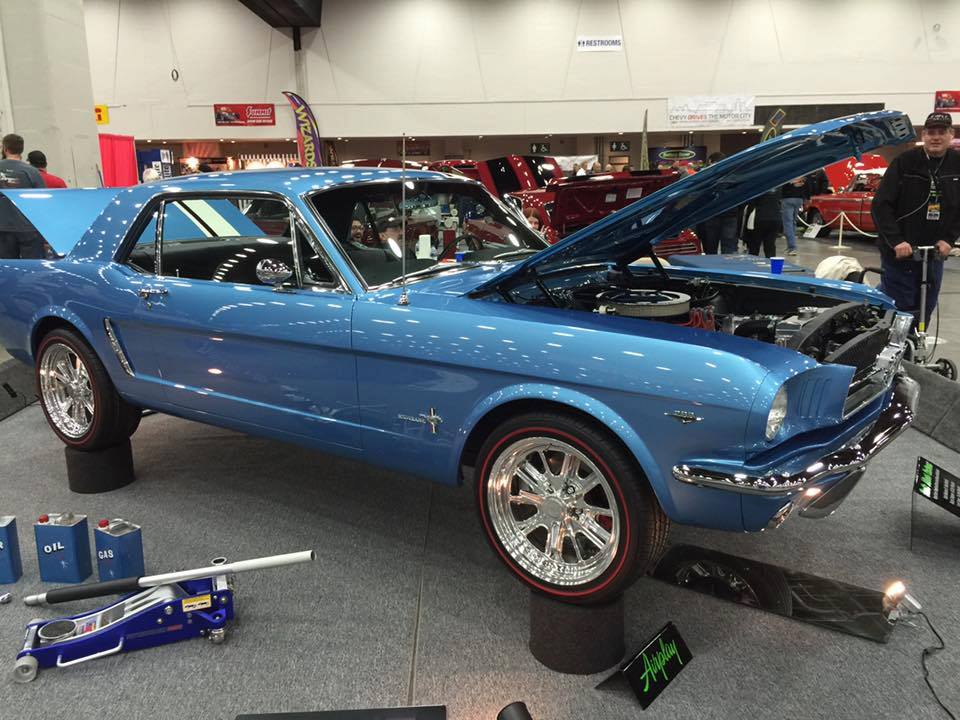
Enter the vehicle in shows to validate restoration quality against peer standards. Feedback from judges offers objective evaluation and identifies areas for refinement. Show participation must adhere to class rules, dress codes, and safety regulations, typically published by hosting organizations.
Classic Muscle Car Restoration Techniques demand precision, patience, and disciplined execution across bodywork, powertrain, suspension, electrical systems, interior, finishing, and documentation. Follow structured workflows and reference technical resources to uphold quality, authenticity, and long-term value in restored muscle cars.