Why Classic Car Restoration Is More Popular Than Ever

Why Classic Car Restoration Is More Popular Than Ever
Classic cars do not merely occupy garages. They inhabit memory, identity, and imagination. Their silhouettes carry the handwriting of forgotten designers. Their engines speak in dialects modern machines no longer remember. And today, more than at any point in recent history, these vehicles are being resurrected from rust and neglect into objects of reverence.
Classic car restoration has become a cultural renaissance.
Not a hobby alone. Not an industry alone. But a movement—quietly obsessive, deeply emotional, and increasingly influential.
A Rebellion Against Disposable Culture
Modern life is built on replacement. Phones are discarded annually. Appliances are obsolete before they break. Cars are leased, returned, forgotten.
Classic restoration rejects this philosophy.
To restore a car is to declare that permanence still matters. That craftsmanship deserves loyalty. That history is not a burden, but a privilege.
Restoration is a protest written in steel.
Where modern vehicles are assembled by algorithms, classic cars were shaped by hands. Their imperfections are not flaws. They are signatures.
And people are hungry for that humanity again.
The Emotional Architecture of Memory
A classic car is rarely just a machine.
It is a father’s first vehicle.
A grandfather’s weekend escape.
A poster on a childhood wall.
A cinematic dream that once felt unreachable.
Restoration transforms nostalgia into action.
Owners do not simply repair parts. They reconstruct moments. They polish stories. They reinstall identity.
When the engine turns over for the first time after decades of silence, it does not just run—it remembers.
That emotional ignition is addictive.
The Theatre of Transformation
Few experiences rival the drama of restoration.
A car arrives as a corroded relic.
Paint collapsed into dust.
Interior reduced to tatters.
Metal scarred by decades of indifference.
Then the process begins.
Bolts surrender. Panels are stripped. Frames are reborn. Color returns. Texture returns. Dignity returns.
Restoration is not mechanical. It is ceremonial.
Each phase reveals potential. Each setback sharpens patience. Each finished detail restores belief.
The final reveal is not about the car. It is about perseverance.
A New Generation Joins the Craft
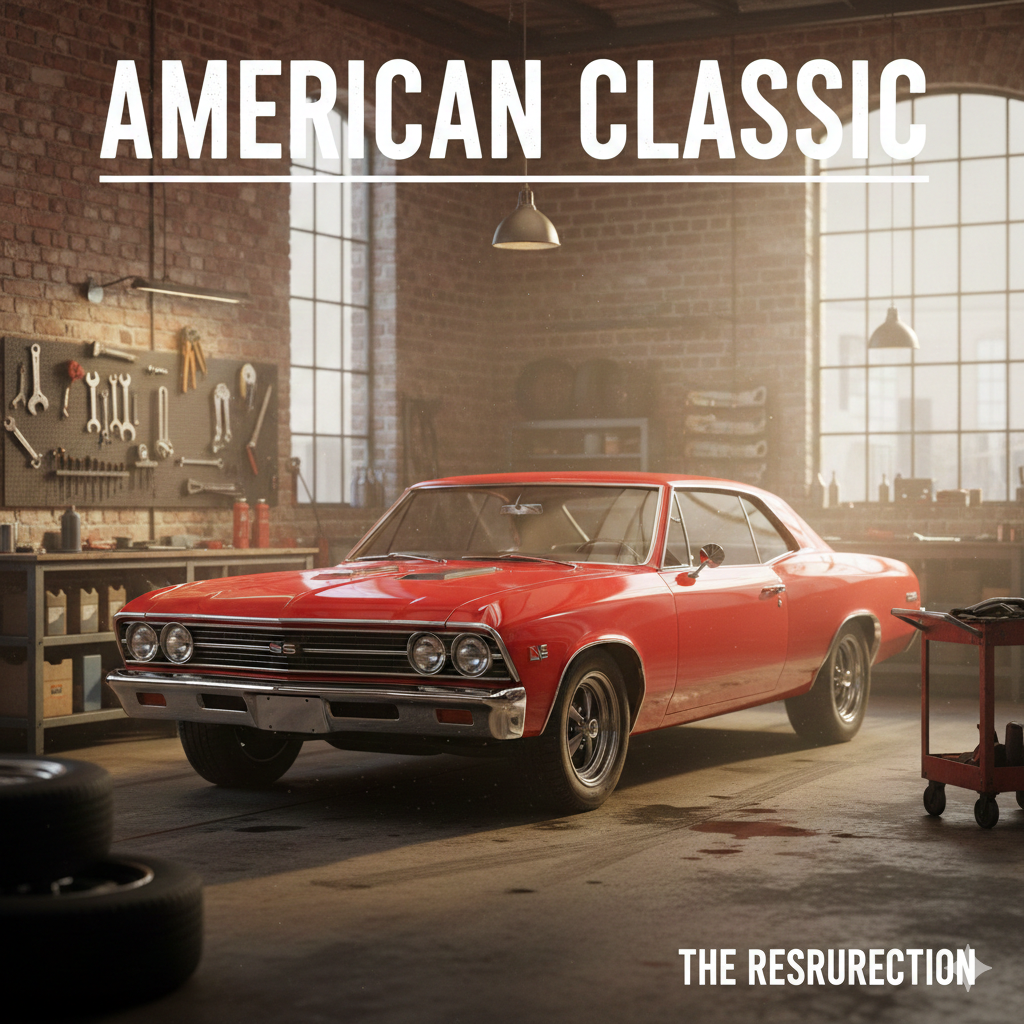
Once, classic restoration was stereotyped as a pastime of retirees.
That stereotype has evaporated.
Younger generations now dominate restoration forums, video platforms, and workshops. They approach classics not as relics, but as canvases. They blend reverence with reinterpretation. They honor tradition while daring to modernize it.
For them, restoration is not about returning to the past.
It is about rescuing it.
This generational infusion has infused the community with experimentation, diversity, and renewed energy.
Social Media: The Catalyst of Curiosity
The digital age did not diminish classic cars. It amplified them.
Before-and-after restorations captivate audiences. Time-lapse rebuilds mesmerize. Engine start videos seduce the senses.
Algorithms reward craftsmanship.
What was once private labor is now public spectacle.
This visibility has democratized restoration knowledge. Techniques once guarded by workshops are now shared freely. Parts sourcing, diagnostic tricks, and finishing secrets travel across continents in seconds.
Restoration has become global, communal, and contagious.
Classic Cars as Financial Artifacts
Emotion may initiate restoration. Economics sustains it.
Classic vehicles possess a trait modern cars lack: appreciation.
While new vehicles depreciate with cruel efficiency, restored classics often ascend in value. Scarcity, provenance, and condition create a market where patience is rewarded.
But unlike paintings or sculptures, classic cars are interactive assets.
They can be driven. Heard. Touched. Experienced.
This duality—utility and investment—has attracted collectors, investors, and institutions alike.
Restoration is now recognized as value creation.
The Pursuit of Authenticity
Modern society is flooded with replicas, filters, and simulations.
Classic restoration offers something radical: authenticity.
Original paint codes. Period-correct upholstery. Factory weld patterns. Mechanical honesty.
Authenticity is not perfection.
It is fidelity.
Restorers chase accuracy not to impress, but to respect. They become historians in overalls. Archivists with grease under their nails.
Each restored vehicle becomes a mobile museum.
Technology: The Silent Enabler
Ironically, modern technology has rescued old machines.
3D scanning reconstructs extinct components.
CNC machining delivers surgical precision.
Digital archives preserve factory blueprints.
Global marketplaces locate forgotten parts.
Technology has not replaced craftsmanship. It has empowered it.
The marriage between analog heritage and digital precision has elevated restoration to unprecedented accuracy.
Old souls now benefit from new minds.
The Magnetism of Muscle
Few automotive categories evoke passion like muscle cars.
They represent unapologetic performance.
Unfiltered sound.
Design without restraint.
Restoring them is not merely mechanical—it is ideological.
Muscle cars symbolize freedom, rebellion, and raw identity. Their restoration is an act of cultural preservation.
Each revived muscle car carries the echo of drag strips, street races, and youthful defiance.
They are not quiet.
They were never meant to be.
European Elegance and Japanese Precision
Beyond American muscle, restoration culture embraces global heritage.
European classics offer elegance, proportion, and engineering discipline.
Japanese classics provide technological audacity and motorsport pedigree.
Each region contributes its philosophy.
Each car its dialect.
Together, they form a multilingual conversation in metal.
Restoration celebrates diversity without hierarchy.
Sustainability Through Resurrection
In an era obsessed with sustainability, restoration offers an overlooked virtue: conservation.
Instead of manufacturing new vehicles, restoration extends life. Instead of extracting new resources, it rehabilitates existing ones.
This is sustainability without marketing slogans.
A restored classic is recycled history.
And unlike modern “green” products, it does not pretend to be disposable.
The Resurrection of Craftsmanship
Modern vehicles conceal their complexity behind plastic panels and sealed modules.
Classic vehicles expose everything.
Restoration revives endangered skills:
Metal shaping.
Carburetor calibration.
Manual gearbox rebuilding.
Analog diagnostics.
Hand-stitched interiors.
These crafts are not taught by software. They are transferred through mentorship, patience, and repetition.
Restoration preserves human competence.
The Ritual of Ownership
Owning a restored classic changes behavior.
Owners listen more carefully.
Drive more intentionally.
Maintain more diligently.
They do not rush.
Classic ownership cultivates mindfulness.
Each journey becomes ceremonial. Each refuel becomes a conversation. Each parking moment becomes an exhibition.
The car is no longer transportation.
It is presence.
Community as the Engine
No restoration is solitary.
Behind every project stands a network: suppliers, machinists, upholsterers, painters, mentors, and fellow enthusiasts.
Clubs, rallies, exhibitions, and forums transform strangers into collaborators.
Classic cars create tribes without borders.
They dissolve age differences. They dissolve language barriers. They dissolve status.
What remains is shared obsession.
Media and Mythology
Film, television, and motorsport have immortalized certain models. These vehicles transcend engineering and enter mythology.
Once mythic, they cannot be ignored.
Restoration becomes a pilgrimage.
People do not simply restore cars they like. They restore legends.
The Psychology of Restoration
Restoration satisfies rare psychological needs:
Control in a chaotic world.
Progress in visible form.
Creativity with tangible reward.
Patience with measurable outcome.
Few modern activities offer such balanced gratification.
Each completed bolt becomes a promise kept.
Challenges That Strengthen Desire
Restoration is not gentle.
Parts vanish. Budgets fracture. Timelines collapse. Mistakes humiliate.
Yet these difficulties enhance attachment.
The more effort invested, the deeper the bond.
A restored car is not owned.
It is earned.
Auctions and Public Validation
High-profile auctions have amplified restoration’s prestige.
When restored classics sell for astronomical figures, they validate the craft. They transform private labor into public admiration.
But beyond money, they confirm something more valuable:
Restoration matters.
The Electric Dialogue
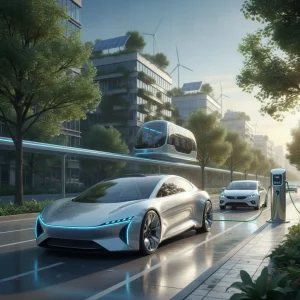
A new chapter has emerged: electrified classics.
Some embrace it. Some resist it.
But all acknowledge its significance.
This dialogue proves that restoration is not frozen in time. It evolves. It debates. It adapts.
Even controversy keeps heritage alive.
Education Through Machines
Classic restoration teaches mechanical literacy.
Young restorers learn systems instead of screens. They diagnose with ears and hands. They understand cause and effect.
This education is irreplaceable.
Without restoration, mechanical knowledge would slowly erode into abstraction.
Classic Cars as Moving Art
Museums now display classic cars as sculpture.
Collectors curate them as visual statements.
Design museums analyze their proportions.
The world has recognized what enthusiasts always knew:
Classic cars are art that breathes.
Globalization Without Homogenization
A car discovered in one country may be restored in another and admired in a third.
Yet its identity remains intact.
Global restoration has expanded appreciation without diluting heritage.
This balance is rare.
And precious.
The Future: Mechanical Memory
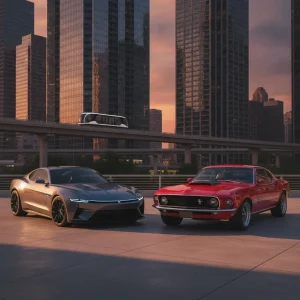
As modern cars become quieter, smarter, and more uniform, classics will grow louder in cultural memory.
They will represent sensation in a digital age.
They will remind future generations what mechanical presence felt like.
They will stand as evidence that progress does not require erasure.
Final Reflection
Classic car restoration is not about the past.
It is about continuity.
It is about honoring what worked, what inspired, what moved people.
It is about refusing to let history dissolve into photographs.
It is about believing that beauty deserves survival.
That craftsmanship deserves repetition.
That stories deserve motion.
As long as human beings value memory, identity, and tactile truth, classic cars will continue to rise from silence.
Not as relics.
But as witnesses.