From Dream to Drive: How Concept Vehicles Are Redefining Luxury in 2025
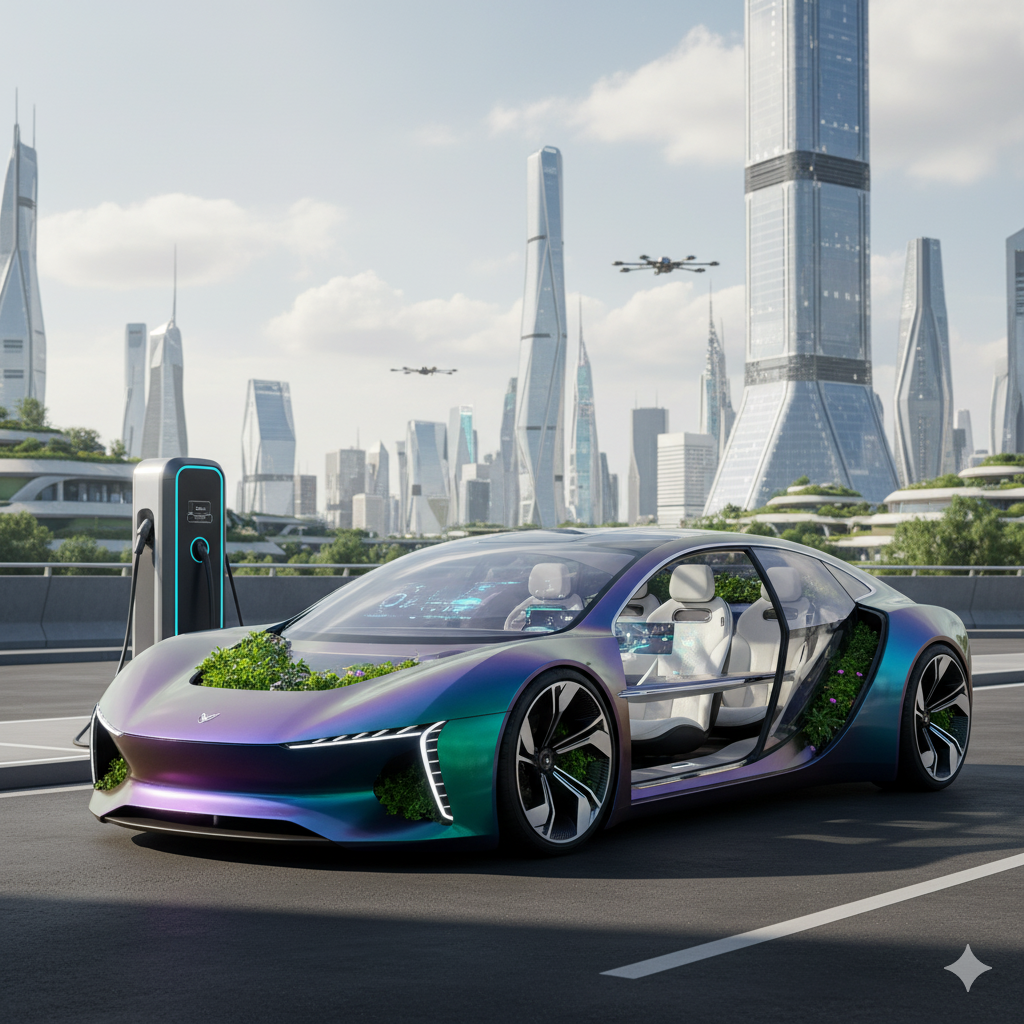
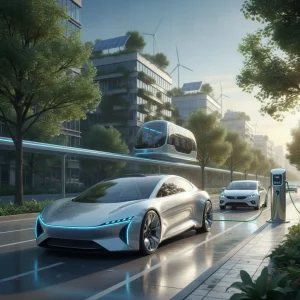
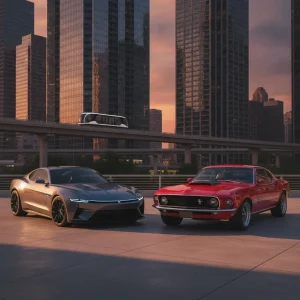
In 2025, the automotive landscape stands at the intersection of artistry, engineering, and imagination. The concept vehicle—once a dazzling spectacle reserved for motor shows—has emerged as a defining force that not only teases the future but actively reshapes it. These machines no longer exist as fleeting fantasies or impractical prototypes; they are functioning heralds of a new era where luxury, sustainability, and advanced technology converge into one mesmerizing form.
The question is no longer whether concept vehicles influence the cars we drive. The question is how profoundly they are rewriting our relationship with mobility itself. They invite us to dream, and then, almost magically, allow us to drive that dream.
The Rise of the Concept Car: More Than Just a Prototype
Once upon a time, concept cars were designed to shock and awe. They lived under museum lighting, paraded across show floors, and were rarely destined for the asphalt. But in 2025, their role has transformed. They are no longer ornamental sketches brought to life in clay and chrome; they are catalysts for industry-wide innovation.
The rise of the concept car reflects an evolution in purpose. Today, they serve as rolling laboratories—test beds for futuristic drivetrains, ergonomic marvels, and connectivity ecosystems. Automakers leverage them not just to inspire, but to experiment openly with new technologies, materials, and radical forms.
Consider the latest wave of models unveiled this year. Each comes embedded with semi-production-ready features: dynamic smart glass that adjusts tint on command, biodegradable composites for dashboards, and advanced electric propulsion systems capable of outpacing traditional sports cars. The prototype is no longer a teaser; it is a near-future promise dressed in audacious design.
Concept vehicles today signal intent, shifting public expectation and pressuring competitors to keep pace. They remind us that progress is not theoretical—it is accelerating in real time.
Luxury Reinvented: Interiors That Feel Like Private Suites
Luxury is no longer measured by polished wood veneers or hand-stitched leather alone. In 2025, automotive luxury is redefined as an experience—a cocoon of comfort that rivals the privacy of an executive jet or a penthouse suite.
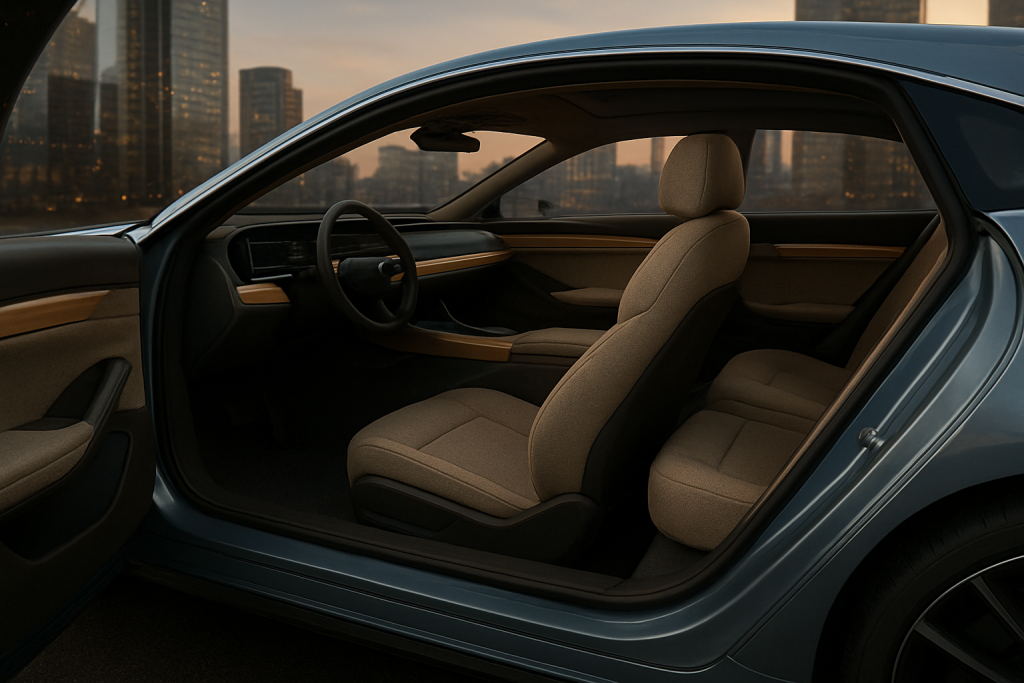
The interiors of modern concept vehicles are sanctuaries. Picture reclining lounge seats sculpted from plant-based leathers, softly illuminated ambient panels that mimic dawn light, and holographic assistants whispering itinerary updates with flawless precision. Silence itself has become a form of indulgence, enabled by whisper-quiet electric motors and sound-canceling cabin architecture.
For passengers, every surface and interaction is intentional. Touchpoints respond intuitively—armrests warming at a fingertip’s request, adaptive climate zones tailoring themselves to individual preferences, biometric sensors tracking stress levels to recommend calming music. It is no longer just a car; it is a retreat.
This reinvention of the interior transforms daily commutes into restorative escapes. Luxury reinvented: interiors that feel like private suites is not a marketing slogan—it is a tangible reality, one that recalibrates how society defines sophistication on wheels.
AI, AR, and Autonomy: The Tech Behind Tomorrow’s Luxury
Technology has always been the secret ingredient of progress, but in 2025, its presence within concept vehicles transcends utility. It orchestrates a symphony of intelligence, augmenting every aspect of the driving and riding experience.
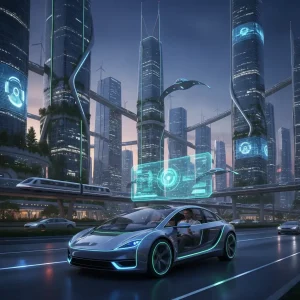
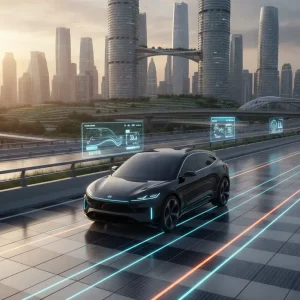
Artificial Intelligence governs the cockpit, anticipating needs before they surface. From predictive route optimization to real-time health monitoring of both vehicle and driver, AI is the invisible chauffeur. Augmented Reality projects vital information onto windshields and panoramic displays—navigation arrows flowing seamlessly into the street ahead, hazard alerts hovering like guardian angels.
Autonomy, once speculative, is now integral. Vehicles glide through traffic corridors with machine precision, enabling passengers to recline, read, or even host virtual meetings mid-journey. AI, AR, and autonomy: the tech behind tomorrow’s luxury ensures that the car is not merely transportation—it is a platform for productivity, relaxation, and enrichment.
This fusion of intelligence also reframes status. Owning such a vehicle is not about horsepower alone, but about possessing a sanctuary of algorithms and sensors that work in quiet harmony to elevate daily life.
Sustainability Meets Status: Eco-Friendly Materials for Premium Cars
Luxury no longer tolerates excess for excess’s sake. The definition of prestige in 2025 has merged seamlessly with responsibility. To own a luxury vehicle today is to participate in a philosophy—one that values ecological stewardship as highly as design or performance.
Manufacturers are embracing bio-based leathers, reclaimed ocean plastics, and carbon-neutral production processes. Woods are sourced responsibly, textiles woven from recycled fibers, and paints developed from organic pigments. This isn’t simply a greenwashing exercise. It is a full-scale realignment of what “premium” means.
Sustainability, once associated with compromise, has now become a hallmark of affluence. To drive a car lined with bamboo inlays or algae-derived foams is to signal not just wealth, but awareness. Sustainability meets status: eco-friendly materials for premium cars reshapes the social cachet of ownership, making responsibility the most desirable luxury of all.
From Gull-Wing Doors to Smart Glass Roofs: Design That Dares
If interiors are sanctuaries, exteriors are spectacles. Concept vehicles in 2025 embody audacity, challenging conventional design to ignite emotion and provoke curiosity.
Gull-wing doors still mesmerize, their theatrical arcs reminiscent of futuristic dreams from decades past. Yet now, they are joined by innovations like adaptive body panels that reshape themselves for aerodynamics, or smart glass roofs that shift opacity at the brush of a hand. The line between sculpture and automobile blurs, with flowing silhouettes and luminescent skins that respond to their surroundings.
Design is no longer static; it is dynamic, alive. From gull-wing doors to smart glass roofs: design that dares epitomizes this ethos, where aesthetics evolve into performance and performance into personality. Cars in 2025 are bold statements of identity—kinetic art pieces as much as modes of transportation.
The Power Play: High-Performance EVs Driving the Luxury Market
Electrification has reshaped the very heartbeat of luxury cars. Where once a throaty V12 was the pinnacle of desire, today it is instantaneous torque, whisper-quiet launches, and relentless acceleration that command awe.
High-performance electric vehicles (EVs) dominate the luxury market, boasting acceleration times that would have seemed unthinkable a decade ago. Zero to sixty in under two seconds is no longer the exclusive domain of hypercars—it is a standard set by the most aspirational brands.
Battery technology has become the new arms race. Extended ranges surpass 700 miles, charging occurs in minutes rather than hours, and energy recuperation systems harvest power with surgical efficiency. The power play: high-performance EVs driving the luxury market demonstrates how electrification is not a limitation, but an unleashing of new potential.
For the affluent, power is prestige. In 2025, that power is silent, sustainable, and delivered with ferocious elegance.
Why Concept Cars Shape the Way We’ll Experience Mobility in 2025 and Beyond
Beyond the spectacle, beyond the technology, lies the deeper truth: concept cars are shaping the very philosophy of mobility. They dictate not only how vehicles will look and perform, but how they will integrate into the fabric of daily life.
They ask questions once relegated to science fiction: What if your car could sense your mood? What if the journey itself became more valuable than the destination? What if sustainability and performance could coexist without compromise?
In answering these questions, concept vehicles extend their influence far beyond the motor show stage. They ripple into production lines, policy discussions, and cultural expectations. Why concept cars shape the way we’ll experience mobility in 2025 and beyond is evident—they are not dreams painted in chrome, but blueprints of possibility guiding us into an era where driving becomes both meaningful and magical.
Conclusion: The Future Rolls Forward
From the dazzling gull-wing spectacle to the tranquil privacy of a suite-like interior, from sustainable materials to electrified might, the concept car in 2025 is no longer a symbol of fantasy—it is a force of transformation.
Luxury has been redefined not just as possession, but as experience. Technology has shifted from novelty to necessity. Sustainability has become a badge of pride. And design continues to dazzle, daring us to imagine more.
In this new chapter of mobility, dreams do not remain in glass cases. They move, they breathe, they drive. And as they glide silently across the roads of 2025, they remind us that the distance between aspiration and reality has never been shorter.