Igniting the Future: Exploring the Thrilling Edge of Automotive Innovation
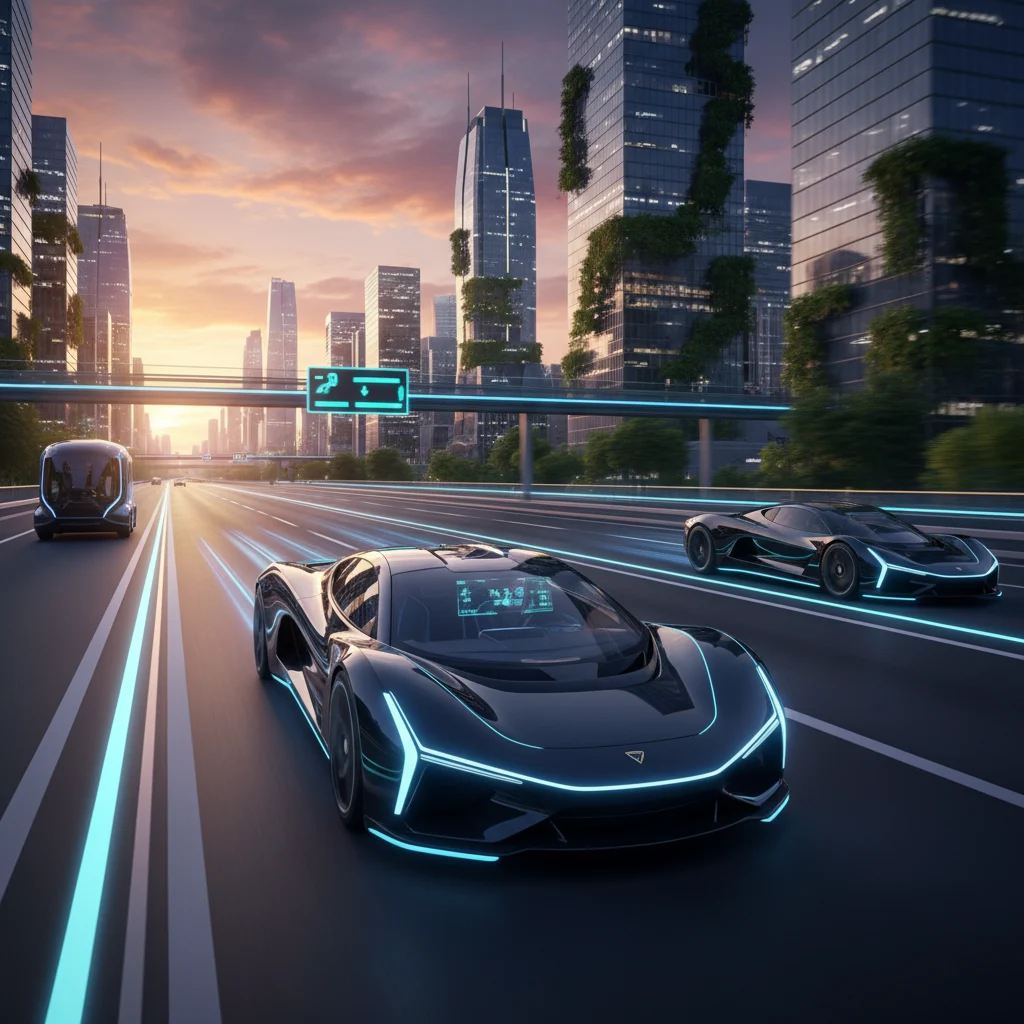
The intoxicating roar of an engine, the exhilarating rush of speed, the sheer freedom of the open road – these are the sensations that have defined our love affair with automobiles for over a century. Yet, the world of cars is undergoing a monumental transformation, driven by relentless automotive innovation. This isn’t just about faster cars or sleeker designs; it’s about a paradigm shift in how we perceive, interact with, and power our vehicles, promising a future that’s as sustainable as it is thrilling.
From the hum of electric motors to the silent intelligence of self-driving systems, every facet of the driving experience is being reimagined. This evolution is a testament to human ingenuity, blending cutting-edge technology with an enduring passion for mobility. Let’s embark on a journey through the most exciting frontiers of automotive advancement.
The Electrifying Surge of Electric Vehicles (EVs)
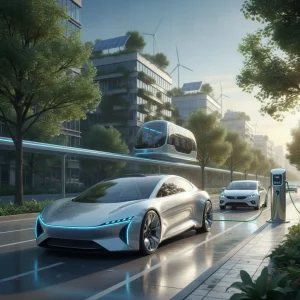
The transition to electric vehicles is perhaps the most visible and impactful wave of automotive innovation. EVs are not just a greener alternative; they represent a fundamental rethinking of powertrain technology, offering instant torque, silent operation, and a dramatic reduction in tailpipe emissions.
The numbers speak volumes about this accelerating trend. According to the International Energy Agency’s Global EV Outlook 2023, global EV sales soared to 10 million units in 2022, and projections suggest they will reach 14 million by the end of 2023. This exponential growth underscores a powerful shift in consumer preference and technological capability.
Battery technology is at the heart of this revolution, with significant advancements in energy density, charging speed, and longevity. Modern EVs boast impressive ranges, often exceeding 300 miles on a single charge, making range anxiety a rapidly diminishing concern. The expansion of robust charging infrastructure, including ultra-fast DC chargers, further solidifies the practicality of electric mobility.
Furthermore, sustainable manufacturing practices for EVs are continually evolving. Companies are investing heavily in responsible sourcing of materials like lithium and cobalt, alongside developing innovative recycling programs for end-of-life batteries. This holistic approach ensures that the environmental benefits extend beyond zero-emission driving.
Autonomous Driving: Redefining the Road Ahead
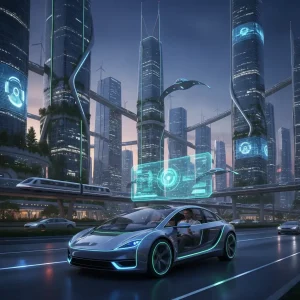
Imagine a future where your car navigates traffic, parks itself, and even drives you home after a long day, all without your direct intervention. Autonomous driving technology is rapidly turning this vision into a tangible reality, promising enhanced safety, reduced congestion, and a newfound sense of freedom for commuters.
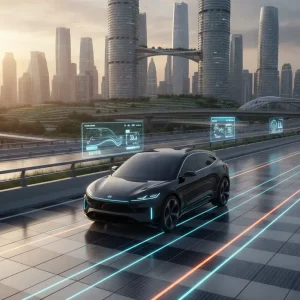
Advanced Driver-Assistance Systems (ADAS) are the building blocks of this revolution, with features like adaptive cruise control, lane-keeping assist, and automatic emergency braking becoming standard in many new vehicles. These systems leverage an intricate network of sensors, cameras, radar, and lidar to perceive the environment and react faster than humanly possible.
The SAE International’s J3016 standard defines six levels of driving automation, from Level 0 (no automation) to Level 5 (full automation in all conditions). Many premium vehicles today offer Level 2 or Level 3 capabilities, where the car can handle specific driving tasks under certain conditions, but still requires human supervision. The journey towards Level 4 and Level 5 is an ambitious one, requiring monumental leaps in artificial intelligence, sensor fusion, and regulatory frameworks.
Companies like Waymo and Cruise are already operating fully autonomous robotaxi services in select cities, demonstrating the incredible potential of this technology. While challenges remain, particularly around ethical decision-making and public acceptance, the path towards a future of highly automated driving is clear and undeniably exciting.
The Enduring Heart of Performance: Supercars and Hypercars
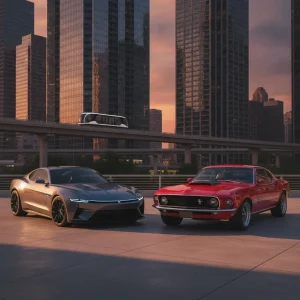
Amidst the technological revolution, the primal allure of speed, power, and exquisite engineering continues to captivate enthusiasts. Supercars and hypercars remain the pinnacle of automotive artistry, pushing the boundaries of what’s possible in terms of performance, design, and luxury.
These magnificent machines are more than just modes of transport; they are rolling sculptures, engineering marvels crafted with obsessive attention to detail. Brands like Ferrari, Lamborghini, and Bugatti consistently deliver breathtaking performance figures, with many hypercars achieving 0-60 mph acceleration times under 2.5 seconds and top speeds exceeding 250 mph. The Bugatti Chiron Super Sport 300+, for instance, officially broke the 300 mph barrier, reaching an astounding 304.77 mph.
Yet, even in this realm, innovation is paramount. Hybrid powertrains are becoming increasingly common, blending ferocious internal combustion engines with electric motors to deliver instant torque and even greater horsepower. Aerodynamics are meticulously sculpted using advanced computational fluid dynamics to ensure maximum downforce and stability at extreme velocities.
From carbon fiber monocoques to bespoke interiors, every component of a supercar is designed for optimal performance and an unparalleled driving experience. The passion for these high-performance vehicles continues to fuel dreams and inspire engineers to reach new heights of automotive excellence.
Connectivity and Infotainment: A Digital Cockpit
The modern car is no longer just a means of transportation; it’s an extension of our digital lives, a connected hub that keeps us informed, entertained, and productive on the go. Advances in connectivity and infotainment systems have transformed the vehicle’s interior into a sophisticated digital cockpit.
High-resolution touchscreens, intuitive voice controls, and seamless smartphone integration (Apple CarPlay, Android Auto) are now standard expectations. Over-the-air (OTA) updates, similar to those on our smartphones, allow manufacturers to wirelessly improve vehicle software, add new features, and even enhance performance, all without a trip to the dealership. This means your car can literally get better over time.
Beyond entertainment, connectivity enables vital safety features like emergency call services, real-time traffic updates, and remote vehicle diagnostics. Vehicle-to-everything (V2X) communication is also on the horizon, allowing cars to communicate with other vehicles, infrastructure, and even pedestrians, paving the way for safer and more efficient traffic flow.
Key players like Bosch Mobility Solutions are driving innovation in this space, developing sophisticated sensors, processing units, and software platforms that power these intelligent systems. The integration of artificial intelligence further personalizes the driving experience, learning driver preferences and proactively offering assistance or entertainment.
Sustainable Manufacturing: Driving a Greener Future
The drive for sustainability extends far beyond the tailpipe; it encompasses the entire lifecycle of a vehicle, from raw material extraction to end-of-life recycling. The automotive industry is making significant strides in sustainable manufacturing, aiming to reduce its environmental footprint at every stage.
Manufacturers are increasingly focusing on circular economy principles, utilizing recycled and renewable materials in vehicle construction. For instance, many car interiors now feature fabrics made from recycled PET bottles, fishing nets, and even plant-based materials. Lightweighting techniques, using advanced composites and aluminum, also contribute to better fuel efficiency and reduced emissions during use.
Energy efficiency in production plants is another critical area of focus. Companies are investing in renewable energy sources like solar and wind power to fuel their factories, aiming for carbon-neutral production. Volvo Cars, for example, has committed to making its global manufacturing operations climate neutral by 2025.
Furthermore, water usage reduction, waste minimization, and responsible supply chain management are integral to these sustainability efforts. This holistic approach demonstrates a profound commitment to environmental stewardship, ensuring that the cars of tomorrow are not only technologically advanced but also responsibly produced.
The Road Ahead: A Fusion of Passion and Progress
The automotive world is at an inflection point, where the passion for driving meets the relentless march of technological progress. From the silent power of electric vehicles and the intelligence of autonomous systems to the breathtaking performance of hypercars and the seamless connectivity of our digital cockpits, innovation is reshaping every aspect of our interaction with cars.
This thrilling evolution promises not just more efficient or safer vehicles, but a fundamentally richer and more integrated mobility experience. As engineers continue to push boundaries and designers reimagine possibilities, the future of driving is set to be more exciting, more sustainable, and more connected than ever before. The journey has just begun, and the road ahead is wide open.