Software Defined Electric Autonomous Connected Vehicles

Software Defined Electric Autonomous Connected Vehicles
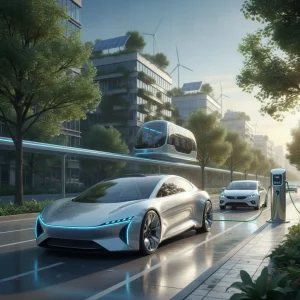
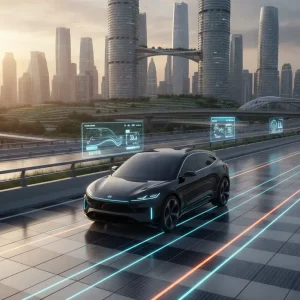
Software Defined Electric Autonomous Connected Vehicles represent the convergence of core automotive innovation vectors including electrification, software-centric architecture, autonomous operation, and pervasive connectivity, and define the structural and functional evolution dominating the global mobility sector today. The term Software Defined Electric Autonomous Connected Vehicles encapsulates the strategic shift from mechanical systems to distributed computing platforms, from fossil energy to battery propulsion, from driver control to automated systems, and from isolated machines to networked endpoints within broader digital ecosystems. Early adopters and leaders are already embedding these principles into product roadmaps and research agendas, forcing OEMs, suppliers, regulators, and infrastructure stakeholders to align development, compliance, and deployment at scale.
Electrification and Software Architecture
Electrification is the foundation of modern mobility transformation. Electric vehicles have moved beyond niche status to mainstream adoption as consumers, regulators, and manufacturers align on zero-emission targets and operational efficiencies. Battery electric powertrains replace internal combustion engines, delivering significantly lower operational emissions and enabling new packaging and thermal management paradigms. Electrification is inseparable from software because battery management systems (BMS), power distribution, thermal controls, and charging interfaces are all orchestrated by embedded software and centralized computing resources.
Software architecture differentiates legacy vehicles from Software Defined Electric Autonomous Connected Vehicles. Traditional vehicles used distributed electronic control units (ECUs) tightly coupled to mechanical subsystems. Modern architectures replace that fragmentation with centralized computing clusters running domain controllers for propulsion, chassis, infotainment, and vehicle safety. This shift reduces complexity, enables over-the-air (OTA) updates, and permits continuous feature enhancement after sale without physical service intervention, a capability described as the core of the software-defined vehicle trend. This architectural modernization aligns engineering disciplines with software release cycles and decouples hardware from feature delivery.
Software Defined Electric Autonomous Connected Vehicles use OTA updates to patch security, adjust performance, refine driver assistance, and introduce new functionalities without dealer visits. Over-the-air capabilities reframe vehicles as platforms rather than products, permitting software monetization, lifecycle improvement, and real-time diagnostics. This dynamic creates environments where vehicles evolve throughout their operational life, effectively becoming perpetual beta systems that must be maintained and secured like autonomous cloud services.
The integration of electrification with software architecture also enhances energy optimization. Battery systems use predictive algorithms to balance performance, longevity, and charging behavior based on usage patterns. Thermal systems optimize for efficiency and safety during high-load scenarios such as rapid acceleration or extreme ambient conditions. Power electronics calibrate torque delivery to maximize range while adjusting regenerative braking behavior to recapture energy during deceleration. These systems demand robust software platforms capable of managing real-time data flows between sensors, actuators, and control units distributed throughout the vehicle body.
Autonomous Operation and Advanced Driver Systems
Autonomous operation defines a major capability set within Software Defined Electric Autonomous Connected Vehicles. This operates on a spectrum from driver assistance to full autonomy, organized into levels of automation that codify the distribution of control between human and machine. Advanced driver assistance systems (ADAS) provide foundational functionality such as adaptive cruise, lane centering, and automated emergency braking, leveraging sensor fusion to reduce human error and improve safety. The term ADAS encapsulates a suite of systems designed to automate discrete tasks while keeping the driver engaged, and forms the building blocks for higher levels of autonomous functionality.
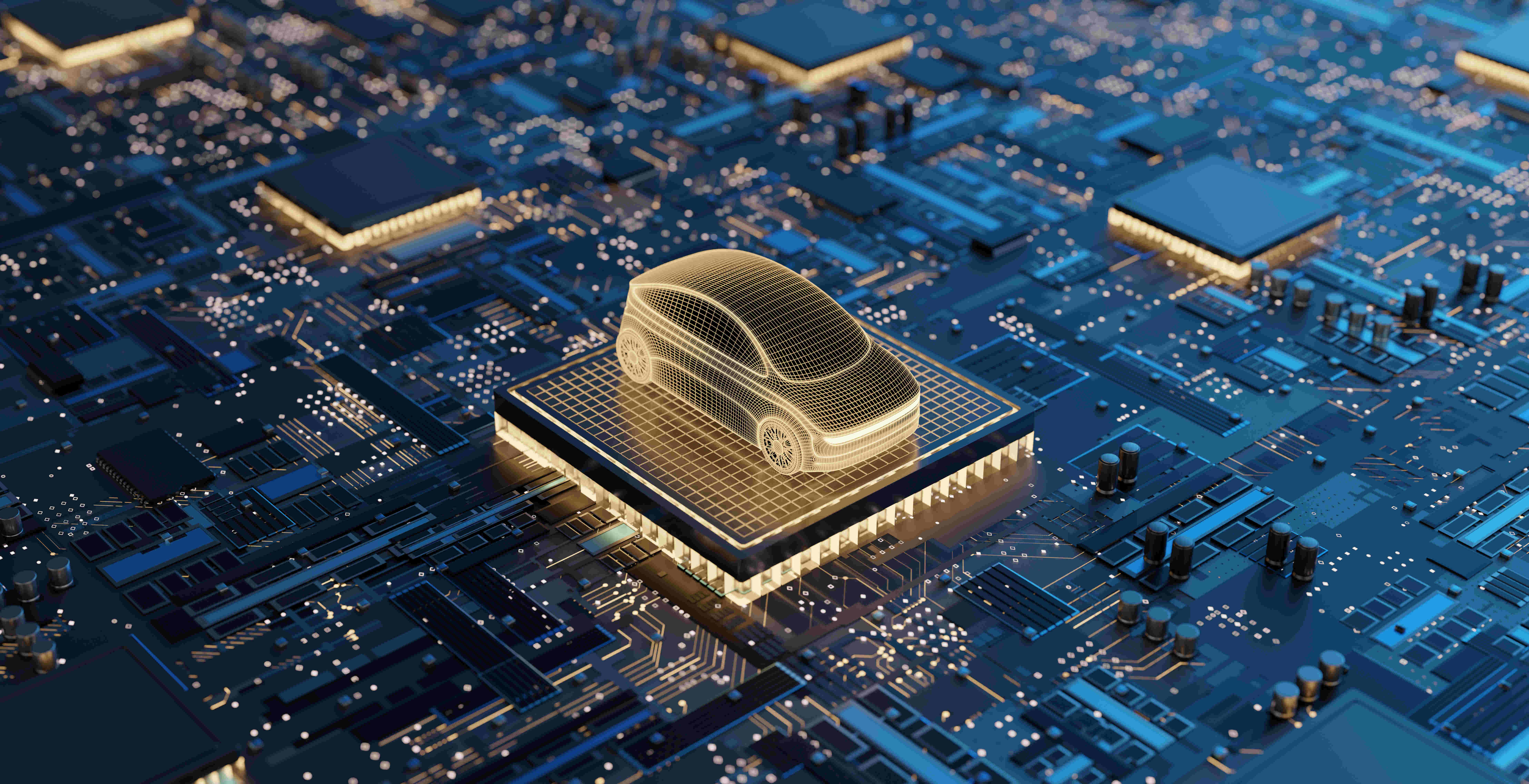
Autonomy beyond ADAS requires the integration of multiple sensor modalities such as cameras, radar, ultrasonic sensors, and LiDAR to perceive the environment with redundancy and accuracy. These sensor feeds are processed by artificial intelligence (AI) and machine learning models capable of interpreting complex scenarios, forecasting object behavior, and making driving decisions in real time. Autonomous control systems must handle perception, planning, and actuation with safety margins that exceed human capabilities under many conditions. Sensor fusion is essential, combining disparate data streams into coherent situational awareness and enabling automated responses that exceed the performance of isolated sensors.
Software Defined Electric Autonomous Connected Vehicles rely on deep neural networks trained on millions of miles of real-world driving data to improve decision-making performance. These systems must operate within regulatory frameworks that define acceptable behavior for automated vehicles on public roads, and development includes extensive simulation, closed-course testing, and phased deployments. Autonomous operation also requires vehicle designs that permit safe failover states, robust redundancy, and the ability to disengage and transfer control to humans under specific conditions.
Autonomous capabilities are deeply interwoven with software frameworks that manage compute resources, prioritize safety logic, and coordinate interactions across subsystems. Failure modes, diagnostic strategies, and safety-critical communication channels are structured to meet automotive integrity levels (ASIL) and other compliance regimes. As autonomy levels increase, software must manage edge cases such as unusual weather, variable traffic behaviors, and incomplete data, reinforcing the need for adaptive algorithms and continuous learning processes embedded within the vehicle’s software core.
Connectivity and Networked Communication
Connectivity defines the networked dimension of Software Defined Electric Autonomous Connected Vehicles. Connected vehicles interact with external environments, infrastructure, other vehicles, and backend services. One emerging communication paradigm is Vehicle-to-Everything (V2X), where cars share real-time data with traffic infrastructure, other vehicles, and even pedestrians’ devices. V2X is expected to reduce collisions, optimize traffic flow, and integrate vehicles within intelligent transport frameworks, forming a mesh of spatial awareness that extends beyond individual sensor capability.
Vehicle connectivity also includes cellular networks, Wi-Fi, and dedicated short-range communication (DSRC) to link vehicles with cloud services, enabling data transfer for navigation updates, OTA instructions, and remote diagnostics. These communications improve situational awareness and enable dynamic responses to traffic, weather, and route conditions. Connectivity also supports mobility services such as remote start, geofencing, digital key functions, and fleet management.
Networked vehicles generate vast amounts of data. Data analytics and AI derive insights from this data, optimizing predictive maintenance and user personalization. For instance, predictive maintenance models analyze sensor patterns to forecast component degradation before failure, enabling proactive service interventions that reduce downtime and extend vehicle lifespans. Connectivity enables the continuous flow of telemetry and performance metrics from vehicles to centralized analytics platforms, transforming fleet management from reactive to predictive maintenance models.
Cloud connectivity also supports infotainment and personalization functions. Drivers can stream media, integrate smartphone applications, and use voice assistants to control navigation and vehicle environment settings. Advanced voice recognition systems interpret natural language commands, contributing to hands-free control and reducing cognitive load on drivers. These in-cabin experiences are increasingly tailored using AI-driven profiles, adapting seating positions, climate preferences, route suggestions, and media based on historical behavior.
Security remains a central concern in connected environments. Connected vehicles expand the attack surface, necessitating robust encryption, intrusion detection, and secure boot systems. Connectivity protocols must protect vehicle networks from unauthorized access and ensure data privacy, particularly as vehicles integrate with personal devices and identity systems. Secure OTA update mechanisms are vital to maintain integrity across distributed software components.
Sustainability, Materials, and Manufacturing
Sustainability is a structural imperative within Software Defined Electric Autonomous Connected Vehicles. Electrification reduces tailpipe emissions, but sustainable practices extend into materials selection, manufacturing processes, and lifecycle impacts. Automakers increasingly use recycled materials for interiors and structural components, adopt low-carbon manufacturing techniques, and optimize supply chains to reduce total lifecycle emissions. Sustainability considerations also drive energy efficiency in power electronics, thermal management, and battery recycling strategies.
Sustainable manufacturing entails green plant certifications, energy-efficient production lines, and waste minimization protocols. These practices reduce environmental footprint and often align with regulatory incentives and corporate sustainability goals. Material selection increasingly embraces bioplastics, recycled metal alloys, and sustainable textiles for interior components, balancing performance with environmental responsibility.
Battery technology itself is a focus of sustainability. Lifecycle considerations for battery packs include extraction impacts, energy density improvements, and end-of-life recycling. Closed-loop recycling systems reclaim critical elements, reducing reliance on virgin imports and minimizing environmental harm. Software Defined Electric Autonomous Connected Vehicles use sophisticated battery management software to monitor state-of-health, optimize charging profiles, and extend battery longevity.
Regulatory ecosystems also shape sustainability strategies. Emission standards, carbon pricing, and zero emissions mandates drive adoption of electric powertrains and sustainable materials. Governments and agencies worldwide calibrate incentives that reduce the cost of entry for consumers and encourage investment in charging infrastructure and grid readiness. The cumulative effect is a transition away from internal combustion engines toward electrified, connected mobility systems that minimize environmental impact.
Human System Integration and In-Cabin Intelligence
Human system integration encompasses the ergonomic, cognitive, and interactive design factors necessary to make Software Defined Electric Autonomous Connected Vehicles functional and safe for occupants. Advanced in-cabin technology includes augmented reality head-up displays (AR HUDs) that project navigation, hazard alerts, and safety information directly onto the windshield, reducing the need for glancing away from the road. AR technologies improve situational awareness while minimizing distraction, embedding digital layers into natural sightlines.
Voice assistants and natural language interfaces reduce manual interactions and allow occupants to command climate, navigation, and communication systems without distracting physical controls. These systems increasingly use AI to adapt to individual speech patterns and preferences, enhancing responsiveness and reducing errors. Personalized in-cabin experiences extend to adaptive seating, climate zoning, and contextual media recommendations based on user behavior, creating tailored environments that respond to human needs and reduce cognitive load.
The integration of emotional and biometric sensors further enhances occupant experience and safety. Systems capable of monitoring driver attention, stress, and fatigue trigger alerts or adjust vehicle behaviors accordingly. These technologies merge physiological data with vehicle control systems to create adaptive responses, such as altering cabin lighting, triggering rest reminders, or adjusting suspension profiles for comfort. Human system integration bridges machine performance with user expectations, providing adaptive interfaces that tune vehicle behavior in real time to occupant states.
In-cabin intelligence also encompasses safety alert systems that override entertainment functions during critical conditions, focusing attention on hazard avoidance. Visual, auditory, and haptic feedback systems communicate priority signals to occupants, ensuring that essential information penetrates ambient noise and activity. The goal is a cohesive interaction model that dovetails human perception with automated systems without obfuscation or overload, reinforcing safety and enhancing overall experience.
Software Defined Electric Autonomous Connected Vehicles reposition mobility as a layered interaction between human cognition and automated capability, balancing autonomy with user agency. The human experience becomes integral rather than peripheral, informed by advanced display systems, context-aware AI, and seamless connectivity that reduces friction across travel tasks. These vehicles become intelligent companions tuned to occupant needs while maintaining strict safety hierarchies enforced through integrated software and sensor systems.