The Automotive Renaissance: Charting the Course of Tomorrow’s Drives
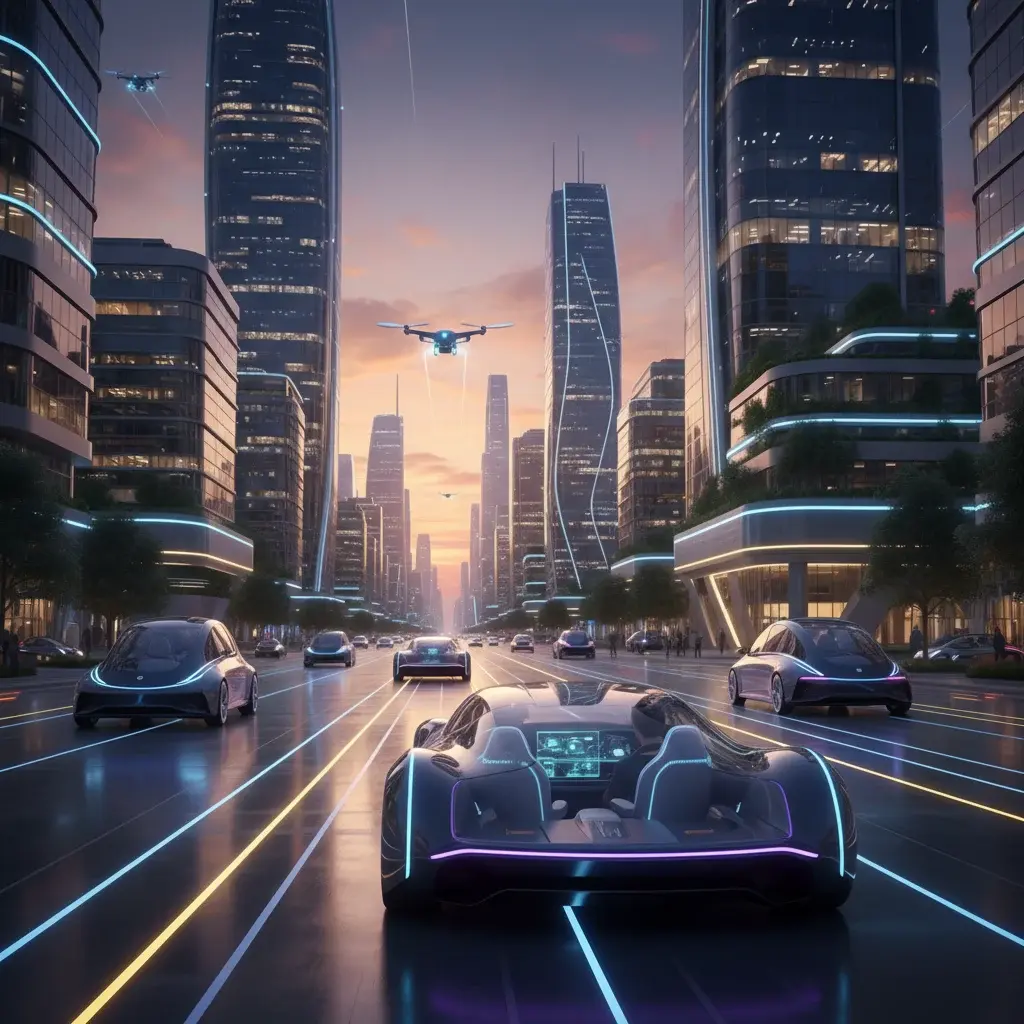
Strap in, automotive enthusiasts! We are living through an exhilarating epoch, a true renaissance in the world of transportation. The roar of combustion engines is slowly giving way to the silent hum of electric powertrains, and the steering wheel might soon become an optional extra. This isn’t just about new models; it’s a fundamental reimagining of how we move, interact with our vehicles, and perceive the very concept of driving. The pace of automotive innovation is breathtaking, propelling us towards a future that was once confined to the pages of science fiction.
From groundbreaking advancements in battery technology to the astonishing leaps in autonomous capabilities, the automotive industry is undergoing a profound transformation. This EV revolution, coupled with intelligent connectivity, promises safer, cleaner, and more personalized journeys than ever before. Prepare to explore the seismic shifts that are redefining our roads and our relationship with the machines that carry us forward.
The Electrifying Surge of Electric Vehicles (EVs)
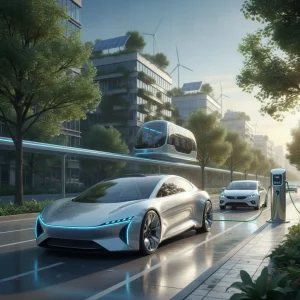
The transition to electric vehicles is no longer a niche movement; it’s a global phenomenon rapidly gaining momentum. Consumers, governments, and manufacturers alike are embracing the undeniable benefits of zero-emission transportation. This shift is driven by a powerful combination of environmental consciousness, technological breakthroughs, and evolving economic incentives.
In 2023, global electric car sales soared to nearly 14 million units, representing an impressive 35% increase from 2022, according to the IEA Global EV Outlook 2024. This incredible growth underscores a clear trajectory towards an electrified future. The sheer volume of new EVs hitting the roads is a testament to their increasing appeal and viability for everyday drivers.
Beyond the Battery: Innovations Driving EV Adoption
At the heart of every EV lies its battery, and the advancements in this critical component are nothing short of astounding. Modern lithium-ion batteries offer significantly improved energy density, allowing for longer ranges and faster charging times. This directly addresses one of the primary concerns for potential EV owners: range anxiety.
Beyond lithium-ion, research into solid-state batteries promises even greater leaps in safety, capacity, and charging speed. Companies are investing billions into developing these next-generation power sources, aiming for vehicles that can travel hundreds of miles on a single charge and replenish in minutes. Furthermore, the efficiency of electric motors continues to improve, maximizing every watt of power.
The Infrastructure Race: Powering Our Electric Future
The rapid adoption of EVs necessitates a robust and widespread charging infrastructure. Governments and private companies are heavily investing in expanding public charging networks, making it easier than ever to power up on the go. As of 2023, there were approximately 3.7 million public charging points globally, a 40% increase from the previous year, as reported by the IEA.
From ultra-fast DC chargers capable of adding hundreds of miles of range in mere minutes to convenient Level 2 chargers for overnight top-ups, the options are diversifying. The push for standardized charging protocols and seamless payment systems is also crucial. This ensures a hassle-free experience for drivers across different brands and locations, fostering greater confidence in the EV ecosystem.
Sustainability on Wheels: The Eco-Conscious Shift
The environmental benefits of EVs are compelling, offering a significant reduction in tailpipe emissions, particularly when charged with renewable energy. Beyond the operational phase, manufacturers are increasingly focusing on the entire lifecycle sustainability of their vehicles. This includes ethical sourcing of raw materials and innovative battery recycling programs.
Many automakers are now exploring sustainable materials for interiors, such as recycled plastics, plant-based fabrics, and vegan leather. This holistic approach to sustainability extends to manufacturing processes, with factories striving for carbon neutrality and reduced waste. The goal is to create vehicles that are not only clean to drive but also environmentally responsible from conception to end-of-life.
Navigating the Future: The Autonomous Driving Frontier
Imagine a world where commutes are transformed into productive work sessions or relaxing escapes, where traffic jams are intelligently managed, and accidents are dramatically reduced. This is the promise of autonomous driving, a technology that is steadily progressing from theoretical concepts to tangible realities on our roads.
The journey towards full autonomy is complex, involving sophisticated sensors, artificial intelligence, and extensive testing. The potential to revolutionize transportation, enhance safety, and unlock new levels of convenience is immense. This frontier is attracting massive investment and some of the brightest minds in engineering and AI.
From Driver Assistance to Full Autonomy: Levels of Evolution
Autonomous driving capabilities are categorized into six levels by SAE International’s J3016 standard, ranging from Level 0 (no automation) to Level 5 (full automation). Today, many vehicles feature Level 2 systems, offering advanced driver-assistance features like adaptive cruise control and lane-keeping assistance. These systems assist the driver but always require human supervision.
Companies like Waymo and Cruise are actively testing Level 4 autonomous vehicles in specific geofenced areas, demonstrating the ability for the car to handle all driving tasks under certain conditions. The progression to Level 5, where a vehicle can operate anywhere, anytime, without human intervention, represents the ultimate goal and continues to be a subject of intensive research and development.
The Road Ahead: Safety, Ethics, and Regulation
While the potential benefits of autonomous vehicles are vast, their widespread adoption hinges on addressing critical concerns surrounding safety, ethics, and regulation. Rigorous testing and validation are paramount to ensure these systems are safer than human drivers. Public trust is built through transparent data and a proven track record of reliability.
Ethical dilemmas, such as how an autonomous vehicle should react in unavoidable accident scenarios, are actively being debated and programmed. Governments worldwide are working to establish comprehensive legal frameworks and certification processes for autonomous vehicles. These regulations are vital to foster innovation while safeguarding public safety and ensuring accountability.
Smart Cities and Connected Mobility: A Symbiotic Relationship
Autonomous vehicles are not envisioned to operate in isolation; they are integral to the concept of smart cities and connected mobility. Vehicle-to-everything (V2X) communication allows cars to share information with each other (V2V), infrastructure (V2I), and even pedestrians (V2P). This real-time data exchange can prevent accidents, optimize traffic flow, and reduce congestion.
Imagine traffic lights adjusting dynamically based on vehicle density, or cars warning each other of hazards around blind corners. This interconnected ecosystem promises a future where transportation is not only autonomous but also harmoniously integrated into urban environments, making cities more efficient and livable. Insights from reports like Deloitte’s Global Automotive Consumer Study highlight consumer readiness for such integrated experiences.
Connectivity and Personalization: The Digital Cockpit Experience
The modern car is evolving into a sophisticated mobile hub, a seamless extension of our digital lives. Connectivity is no longer a luxury but a fundamental expectation, transforming the driving experience into something more personalized, entertaining, and productive. The digital cockpit is at the forefront of this revolution, offering unparalleled levels of interaction and customization.
From advanced voice assistants to integrated smart home controls, vehicles are becoming increasingly intelligent. This convergence of automotive engineering and digital technology is creating a driving environment that is both intuitive and deeply engaging. The possibilities for personalization are expanding rapidly, catering to individual preferences like never before.
Infotainment Reimagined: More Than Just a Screen
Today’s infotainment systems go far beyond basic radio and navigation. High-resolution touchscreens, often spanning the entire dashboard, provide access to a vast array of features. Streaming music and video, integrated app stores, and advanced navigation with real-time traffic updates are now standard in many new vehicles.
The user experience is paramount, with intuitive interfaces and customizable layouts. Many systems now integrate seamlessly with smartphones through Apple CarPlay and Android Auto, mirroring your device’s interface. This creates a familiar and comfortable digital environment, reducing distraction and enhancing enjoyment for both drivers and passengers.
Over-the-Air Updates: Evolving Your Ride
One of the most transformative aspects of connected cars is the ability to receive over-the-air (OTA) software updates, much like a smartphone. This means your vehicle can gain new features, improve existing functionalities, and even receive performance enhancements without a trip to the dealership. Tesla pioneered this approach, demonstrating its immense potential.
OTA updates can address security vulnerabilities, optimize battery management, refine autonomous driving algorithms, and introduce entirely new user interfaces. This ensures that your car remains current and capable throughout its lifespan, constantly evolving to meet new demands and offer improved experiences. It represents a paradigm shift in how vehicles are maintained and upgraded.
The Reshaping of Ownership: Subscription and Shared Models
The traditional model of car ownership is also undergoing a quiet but significant revolution. While buying a car remains popular, new alternatives are emerging that offer greater flexibility and access. These models are particularly appealing to urban dwellers and those seeking to reduce the financial burden and commitment of full ownership.
The shift towards a service-oriented economy is impacting the automotive sector, with consumers increasingly valuing convenience and adaptability. This evolution is driven by changing lifestyle preferences and a desire for more sustainable consumption patterns. The future of mobility is likely to be a diverse ecosystem of ownership and access.
Beyond Buying: Access Over Ownership
Car subscription services are gaining traction, allowing users to pay a monthly fee for access to a vehicle, often including insurance, maintenance, and roadside assistance. This offers unparalleled flexibility, enabling subscribers to switch vehicles based on their needs – a compact city car for weekdays, an SUV for weekend adventures. Companies like Porsche and Volvo offer such programs.
Furthermore, ride-sharing and car-sharing platforms continue to thrive, providing on-demand transportation solutions without the need for personal vehicle ownership. These services reduce the number of cars on the road, alleviate parking issues, and promote more efficient resource utilization. The concept of mobility-as-a-service is becoming a compelling alternative for many.
The Road Ahead: An Unforgettable Journey
The automotive industry is at an inflection point, poised on the brink of an era defined by electrification, autonomy, and seamless connectivity. The journey ahead promises not just faster or more efficient cars, but fundamentally different and richer mobility experiences. From the hum of an electric motor to the intelligent guidance of an autonomous system, every aspect of driving is being re-imagined.
Embrace this incredible transformation, as the vehicles of tomorrow are set to redefine our relationship with transportation. The future of automotive innovation is bright, exciting, and undeniably on the fast track. We are not just witnessing history; we are driving into it.