Automotive Supply Chain Challenges Reshaping Production
Automotive Supply Chain Challenges
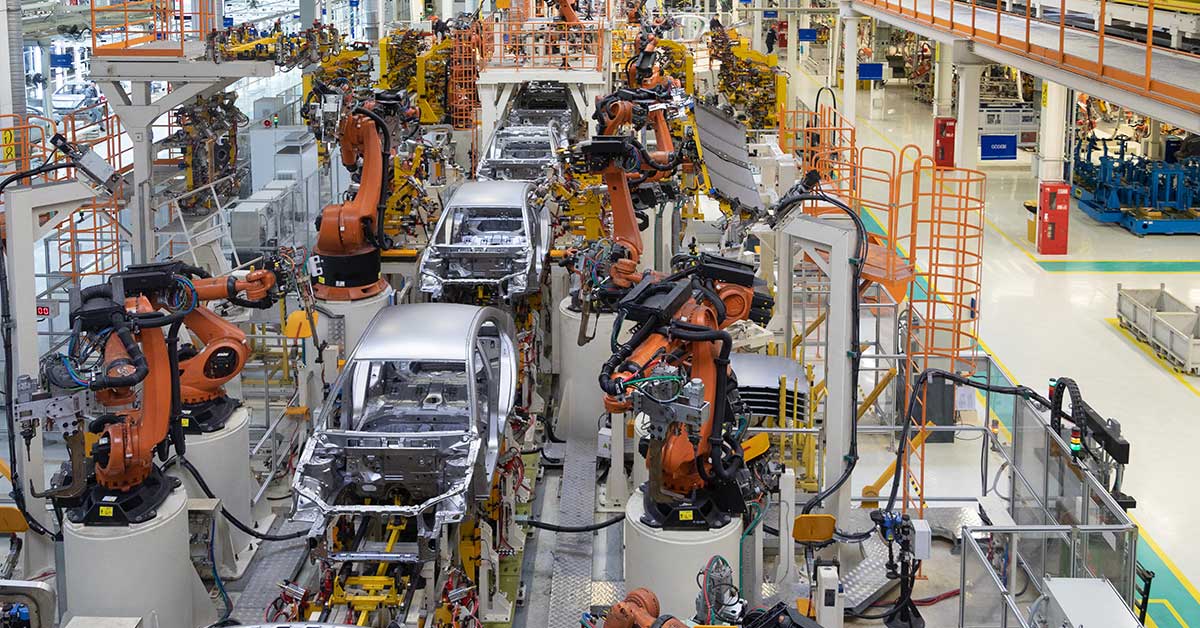
Automotive Supply Chain Challenges Reshaping Production defines the structural disruption across sourcing, logistics, manufacturing, energy transition inputs, semiconductor allocation, and geopolitical exposure that now determines output stability, cost control, and strategic survival in the global vehicle industry.
Semiconductor Shortages and Capacity Constraints
Structural Chip Dependency in Modern Vehicles
Modern vehicles depend on hundreds to thousands of semiconductors controlling powertrain systems, infotainment modules, advanced driver assistance systems, battery management units, and connectivity platforms. The shift toward software defined architectures intensifies reliance on high performance processors rather than discrete low capability microcontrollers. Centralized computing platforms amplify exposure to fabrication bottlenecks.
Automotive grade chips require extended validation cycles due to thermal endurance, vibration tolerance, and safety compliance. Unlike consumer electronics, redesign is not immediate because homologation and safety certification impose regulatory lag. This rigidity magnifies disruption when foundry capacity shifts toward higher margin consumer segments.
The semiconductor shortage exposed structural fragility in just in time inventory doctrine. Automotive manufacturers historically minimized buffer stock to protect margins. When fabrication plants suspended operations due to pandemic disruptions and natural disasters, production lines halted across continents.
Fabrication concentration compounds risk. A significant share of advanced chip manufacturing occurs in facilities operated by Taiwan Semiconductor Manufacturing Company, while automotive focused capacity expansions are being pursued by Intel and Samsung Electronics. Geographic clustering increases vulnerability to geopolitical tension and natural disasters.
Strategic Reconfiguration of Procurement
Manufacturers now pursue direct relationships with semiconductor firms rather than relying solely on tier one suppliers. Long term capacity reservation agreements replace transactional procurement. Vertical integration strategies expand as automakers design proprietary chips optimized for in house platforms.
Regional governments deploy industrial policy to reduce dependency. Incentive programs such as those described by the European Commission aim to increase domestic semiconductor fabrication. Policy intervention alters competitive dynamics by aligning industrial resilience with national security objectives.
Inventory strategies evolve from minimal stock to risk weighted buffering. Data analytics models simulate disruption scenarios, incorporating geopolitical risk indices, climate event probability, and logistics network fragility.
Battery Raw Materials and Electrification Pressures
Lithium, Nickel, and Cobalt Concentration
Electrification intensifies demand for lithium carbonate, nickel sulfate, cobalt, and graphite. Mining concentration in specific geographies exposes automakers to political instability, environmental regulation shifts, and trade restrictions. Supply chain opacity in artisanal mining regions creates ethical risk.
Lithium extraction in South America and Australia scales rapidly, yet refining capacity remains constrained. Refining bottlenecks limit usable output despite upstream extraction growth. Nickel supply diversification becomes essential as high energy density chemistries require stable feedstock.
Battery manufacturers such as CATL expand vertically into mining investments to secure supply continuity. Automakers negotiate direct procurement agreements to reduce price volatility exposure. Resource nationalism policies complicate long term planning.
Recycling and Circular Mitigation
Closed loop recycling reduces primary extraction dependency. Hydrometallurgical processes recover lithium and cobalt with higher yield and lower emissions than traditional smelting. Recycling infrastructure remains insufficient relative to projected end of life battery volumes.
Second life applications for stationary storage partially absorb used battery modules, yet material recovery ultimately determines resource sustainability. Partnerships between automakers and recycling firms increase traceability and cost control.
Electrification increases supply chain complexity rather than simplifying it. Combustion engines required complex machining but relied on mature material networks. Electric drivetrains replace mechanical complexity with chemical dependency and rare material logistics.
Logistics Disruptions and Freight Volatility
Port Congestion and Shipping Constraints
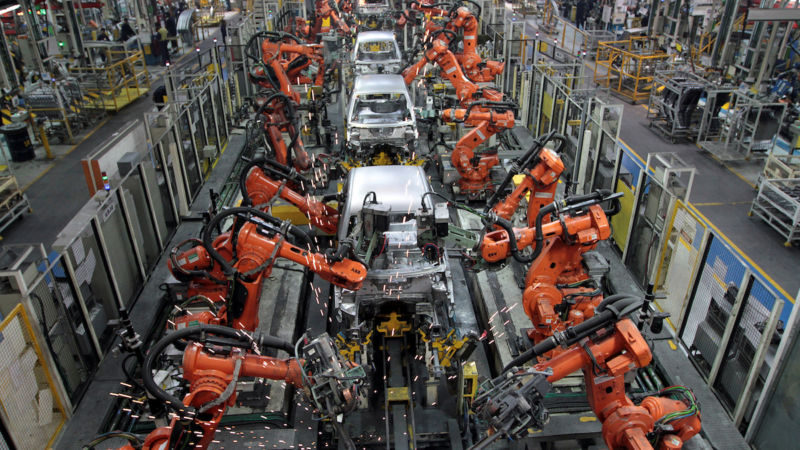
Global shipping congestion exposed reliance on predictable maritime schedules. Container imbalance and port labor shortages delayed component delivery. Automotive supply chains depend on synchronized arrival of subassemblies. Delay in one component halts entire assembly lines.
Major logistics nodes such as the Port of Los Angeles and the Port of Shanghai experienced congestion waves that cascaded across production schedules. Maritime freight rates surged, increasing per vehicle input cost.
Air freight substitution is economically unsustainable at scale due to high cost per kilogram. Manufacturers prioritized high margin models when allocating limited components. Production planning shifted from demand driven scheduling to supply constrained prioritization.
Regionalization and Nearshoring
Companies reconsider globalized sourcing structures. Nearshoring reduces transit time and geopolitical exposure. However, labor cost differentials and capacity limitations constrain immediate relocation feasibility.
Regional supplier ecosystems require time to mature. Tooling investment, workforce training, and quality validation slow relocation. Yet strategic logic favors diversified geographic footprint over single region dependency.
Digital visibility platforms provide real time tracking of shipments. End to end transparency reduces information asymmetry between suppliers and manufacturers. Predictive analytics anticipate disruption before physical bottlenecks materialize.
Geopolitical Fragmentation and Trade Policy Risk
Tariffs and Export Controls
Trade tensions reshape sourcing decisions. Tariffs increase component cost unpredictably. Export controls restrict access to advanced technologies, particularly in semiconductor domains. Compliance requirements expand administrative burden.
The World Trade Organization framework faces strain as bilateral agreements override multilateral norms. Automotive firms navigate overlapping regulatory regimes, adapting product specifications to regional compliance.
Sanctions regimes alter supplier viability overnight. Financial transaction restrictions disrupt payment channels. Supply contracts incorporate force majeure clauses to mitigate political risk exposure.
Strategic Alliances and Bloc Formation
Regional trade blocs encourage intra region sourcing. North American manufacturing aligns under regional content requirements. European regulatory standards influence global design architecture due to market size leverage.
Political stability becomes evaluation criterion alongside cost and quality. Risk weighted procurement models integrate geopolitical analytics.
Defense industrial policy intersects with civilian manufacturing. Semiconductor fabrication receives national security classification. Automotive electrification aligns with energy independence objectives.
Digitalization, Transparency, and Risk Modeling
Supply Chain Visibility Platforms
Fragmented tier structures obscure upstream risk. Digital twins of supply networks map tier two and tier three suppliers. Visibility platforms integrate procurement data, shipment tracking, and risk scoring.
Cloud based collaboration tools synchronize demand forecasting across suppliers. Shared data reduces bullwhip effect amplification. Standardized data protocols increase interoperability.
Technology firms provide analytics platforms integrating artificial intelligence to detect anomalies. Enterprise software providers such as SAP deliver supply chain management systems enabling scenario simulation.
Cybersecurity Exposure in Connected Supply Chains
Digitization introduces cyber risk. Ransomware attacks on logistics firms disrupt physical flows. Supplier IT vulnerability can halt production lines. Automotive cybersecurity extends beyond vehicles into supplier networks.
Zero trust architectures reduce lateral movement within corporate networks. Multi factor authentication and encryption protocols protect procurement transactions. Regulatory frameworks increasingly mandate reporting of cyber incidents.
Supply chain resilience now depends on digital infrastructure integrity as much as physical logistics continuity.
Automotive Supply Chain Challenges on Workforce and Capacity Imbalances
Labor Shortages in Logistics and Manufacturing

Driver shortages in freight transport increase delivery delays. Skilled labor scarcity in semiconductor fabrication and battery cell manufacturing constrains capacity expansion. Wage inflation increases production cost.
Automation mitigates but does not eliminate labor dependency. Robotics in assembly lines reduce repetitive tasks but require technical oversight personnel.
Training pipelines lag technology shifts. Collaboration with technical institutions attempts to align curricula with electrification and digital manufacturing needs.
Capacity Allocation Strategy
When components are limited, manufacturers allocate supply toward high margin vehicles. Lower margin fleet sales decline. This allocation distorts market pricing and consumer availability.
Production flexibility becomes strategic advantage. Modular platforms enable rapid model mix adjustment based on component availability. Software controlled feature activation allows temporary decontenting followed by later upgrade.
Capacity planning integrates probabilistic disruption modeling rather than deterministic forecasting.
Environmental Regulation and Compliance Complexity
Emissions Standards and Reporting
Regulatory divergence across markets complicates compliance. Carbon accounting extends to upstream emissions. Suppliers must disclose environmental performance metrics.
Standards issued by bodies such as the Environmental Protection Agency influence component design. Failure to comply results in fines and reputational damage.
Lifecycle assessment requirements increase documentation burden. Data collection from suppliers becomes mandatory.
Sustainable Sourcing Audits
Traceability systems verify origin of minerals. Blockchain based documentation attempts to reduce fraud in certification processes. Independent audits assess labor and environmental practices.
Non compliance can exclude suppliers from procurement networks. Sustainability performance becomes competitive differentiator.
Environmental regulation intensifies supply chain transparency expectations, increasing administrative complexity but reducing long term systemic risk.
Financial Volatility and Cost Inflation
Commodity Price Fluctuation
Steel, aluminum, lithium, and rare earth element price swings affect cost structure. Hedging strategies mitigate volatility but introduce financial exposure.
Currency fluctuation impacts cross border transactions. Exchange rate instability complicates long term pricing agreements.
Interest rate shifts influence inventory carrying cost and capital expenditure decisions.
Capital Allocation Under Uncertainty
Investment in gigafactories, semiconductor partnerships, and logistics infrastructure requires multibillion capital commitments. Uncertain demand projections increase risk.
Joint ventures distribute capital burden. Strategic alliances enable shared research expenditure.
Financial resilience becomes prerequisite for competitive continuity.
Systemic Integration of Risk Management

Automotive Supply Chain Challenges Reshaping Production requires systemic integration rather than isolated mitigation. Semiconductor sourcing, battery raw material acquisition, logistics resilience, geopolitical navigation, digital visibility, workforce alignment, regulatory compliance, and financial hedging interact as interdependent variables.
Supply chain architecture transitions from cost minimization toward resilience optimization. Redundancy replaces singular efficiency. Data driven forecasting supplements linear planning.
Manufacturers that internalize these structural dynamics redesign procurement doctrine, platform engineering, and capital allocation models accordingly. Competitive advantage shifts from production volume alone to adaptive capacity across interconnected global networks.