Driving Tomorrow: Exploring the Future of Automotive Innovation
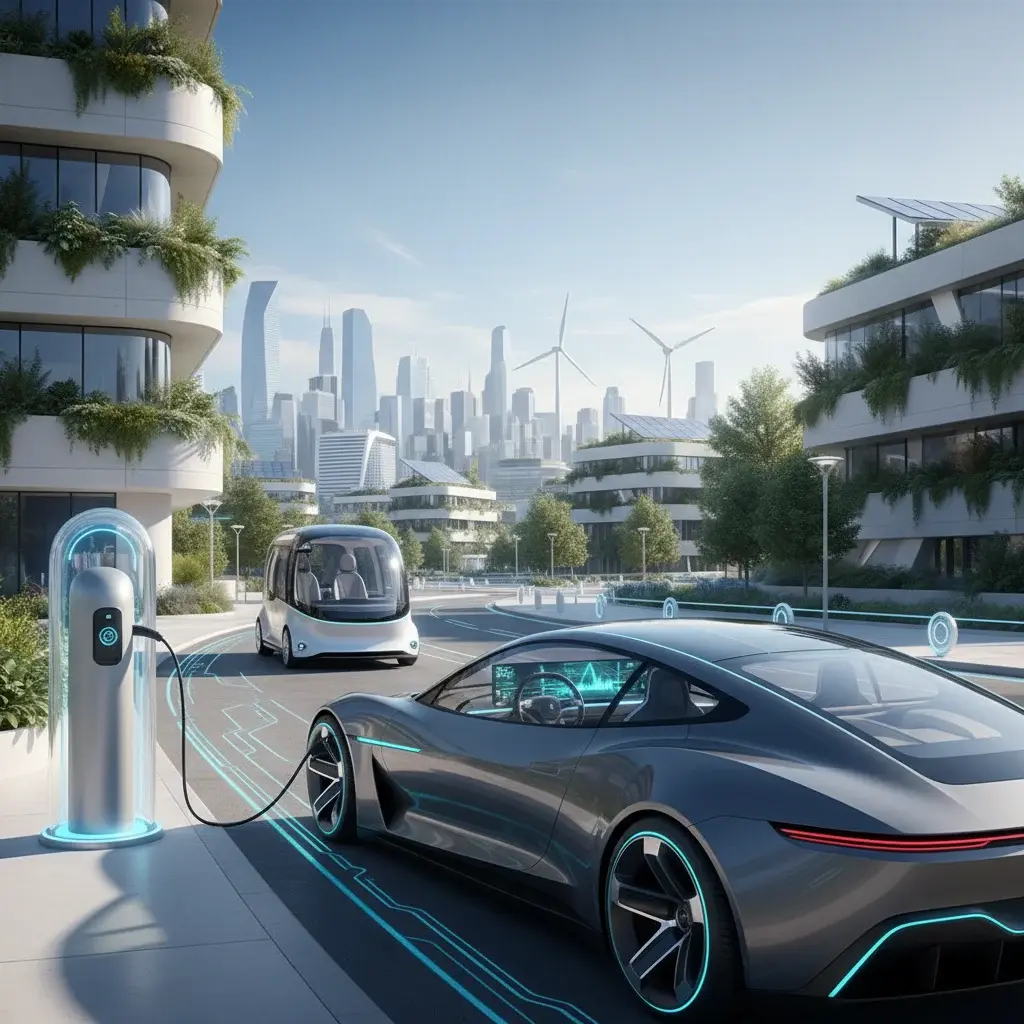
Buckle up, automotive enthusiasts! Have you ever paused to truly consider the monumental shifts redefining our relationship with cars? From the hum of silent electric motors to vehicles that learn our habits, the automotive landscape is undergoing an unprecedented transformation. We’re not just witnessing evolution; we’re experiencing a revolution where innovation accelerates at breakneck speed. This isn’t merely about new models on the lot; it’s about the very essence of mobility, sustainability, and connectivity. Join us as we explore the thrilling future of automotive, charting the course through groundbreaking technologies and paradigm-shifting trends that are shaping how we’ll drive, interact with, and even own our vehicles in the years to come.
The Electrifying Surge: The Rise of Electric Vehicles
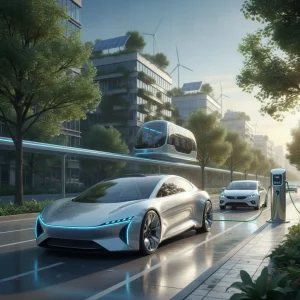
The transition to electric vehicles (EVs) is perhaps the most visible and impactful trend in the automotive world today. What was once a niche market is now a global phenomenon, driven by increasing environmental awareness, governmental incentives, and significant technological advancements. EVs offer a cleaner, quieter, and often more exhilarating driving experience, fundamentally altering our perception of performance and efficiency.
Global EV sales soared in recent years, demonstrating remarkable growth. In 2023, electric car sales reached an astounding 14 million globally, representing an 18% share of the total car market, according to the IEA Global EV Outlook 2024. This surge is fueled by improvements in battery technology, which now offer longer ranges and faster charging times, alleviating earlier concerns about “range anxiety.” New battery chemistries and solid-state battery research promise even greater leaps in energy density and safety.
Beyond the battery, the expansion of charging infrastructure is critical. Governments and private companies are investing heavily in public and home charging solutions, making EV ownership more convenient than ever before. For example, the United States aims to build a national network of 500,000 EV chargers by 2030, a significant step towards widespread adoption. This holistic approach, combining vehicle innovation with robust infrastructure, is paving the way for a truly electric future.
Beyond the Battery: Sustainable Manufacturing and Circular Economy
The push for sustainability in the automotive sector extends far beyond the tailpipe emissions of electric vehicles. Manufacturers are increasingly adopting a circular economy approach, focusing on reducing waste, reusing materials, and recycling components throughout the entire vehicle lifecycle. This holistic view addresses the environmental impact from production to disposal, aiming for a truly green footprint.
Innovative materials play a crucial role in this shift. Companies are exploring sustainable alternatives like recycled plastics, bio-based composites, and even upcycled carbon fiber to reduce reliance on virgin resources. For instance, some automotive brands are now using up to 80% recycled content in certain interior components, significantly lowering their carbon footprint. This commitment ensures that the next generation of vehicles is not only clean to drive but also clean to produce.
Furthermore, the end-of-life management of vehicles, particularly EV batteries, is a growing area of focus. Advanced recycling techniques are being developed to recover valuable raw materials such as lithium, cobalt, and nickel, reducing the need for new mining. Companies like Redwood Materials are at the forefront of this effort, aiming to create a closed-loop supply chain for battery components, ensuring that precious resources remain in circulation.
Driving Itself: The Autonomous Revolution and ADAS
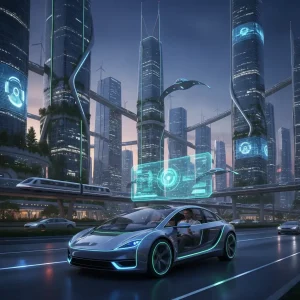
Imagine a world where your car navigates rush hour traffic while you catch up on emails or simply relax. This vision is rapidly becoming a reality with the advent of autonomous driving technology and advanced driver-assistance systems (ADAS). These innovations promise not only unprecedented convenience but also a dramatic improvement in road safety, potentially saving countless lives by reducing human error.
Autonomous driving is typically categorized into six levels, from Level 0 (no automation) to Level 5 (full automation under all conditions). Today, many new vehicles come equipped with Level 2 capabilities, offering features like adaptive cruise control and lane-keeping assist, significantly enhancing driver comfort and safety. Companies like Tesla’s Autopilot and Waymo’s fully autonomous ride-hailing service (operating at Level 4 in select cities) exemplify the rapid progress in this field.
The benefits of widespread autonomous adoption are profound. Studies suggest that self-driving cars could reduce traffic accidents by up to 90%, largely by eliminating human factors like distraction and fatigue. Beyond safety, autonomous vehicles have the potential to optimize traffic flow, reduce congestion, and even transform urban planning. However, significant hurdles remain, including regulatory frameworks, cybersecurity concerns, and ensuring public trust in these complex systems.
Smart & Connected: The Digital Cockpit and V2X Communication
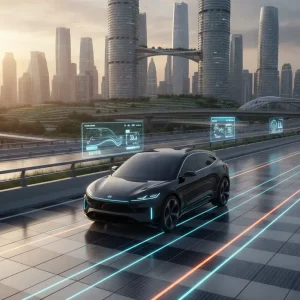
The modern car is no longer just a mode of transport; it’s a sophisticated, connected device on wheels. The digital cockpit, with its expansive touchscreens, intuitive voice controls, and personalized interfaces, is transforming the in-cabin experience. These systems integrate seamlessly with our digital lives, offering everything from real-time navigation and entertainment to remote diagnostics and over-the-air (OTA) software updates.
Connectivity extends beyond the dashboard through Vehicle-to-Everything (V2X) communication. This groundbreaking technology allows cars to “talk” to other vehicles (V2V), infrastructure (V2I), pedestrians (V2P), and even the cloud (V2C). Imagine your car receiving a warning about a slippery patch of road ahead from another vehicle that just passed over it, or traffic lights adjusting their timing based on real-time vehicle flow data. This interconnected ecosystem promises to enhance safety, efficiency, and convenience on an unprecedented scale.
Furthermore, the rise of subscription services for automotive features is redefining ownership. From heated seats activated on demand to performance upgrades downloaded wirelessly, car owners can now customize their vehicle’s capabilities throughout its lifespan. This model offers flexibility and personalization, ensuring that cars remain relevant and adaptable to evolving consumer needs and preferences, truly making the vehicle a dynamic, evolving platform.
Personalization and the Ultimate User Experience
In an increasingly competitive market, automotive manufacturers are focusing intensely on personalization to create unique and memorable user experiences. Beyond custom paint colors and interior trims, modern vehicles are becoming extensions of our digital identities, adapting to our individual preferences and anticipating our needs. This deep level of customization is transforming the relationship between driver and machine.
Advanced personalization features include biometric recognition for seamless entry and personalized settings, where the car automatically adjusts seat position, mirror angles, and even infotainment preferences for different drivers. Digital keys, often integrated into smartphones or smartwatches, offer enhanced security and convenience, allowing for shared access and remote vehicle management. These innovations provide a sense of bespoke luxury and individual tailoring.
The interior of a vehicle is also evolving into a “third living space,” prioritizing comfort, connectivity, and well-being. Ambient lighting, advanced climate control systems with air purification, and immersive soundscapes contribute to a serene and personalized environment. As autonomous capabilities increase, the cabin design will further shift to facilitate work, relaxation, or entertainment, making every journey a truly personalized and enjoyable experience. BMW’s vision for future car design, for example, heavily emphasizes the integration of digital experiences and tailored environments.
Navigating the Road Ahead: Challenges and Opportunities
While the future of automotive promises incredible advancements, the journey ahead is not without its challenges. The rapid pace of technological change demands significant investment in research and development, as well as a skilled workforce capable of innovating and maintaining these complex systems. Adapting existing infrastructure to support widespread EV charging and autonomous vehicle deployment is a colossal undertaking.
Regulatory frameworks also need to evolve rapidly to keep pace with innovation. Governments worldwide are grappling with questions of liability, data privacy, and ethical guidelines for autonomous systems. Establishing clear and consistent regulations is crucial for fostering public trust and ensuring safe, widespread adoption of these transformative technologies. Cybersecurity, too, is paramount; as cars become more connected, they become potential targets for malicious attacks, necessitating robust protection measures.
Despite these hurdles, the opportunities are immense. The automotive industry is poised to create new jobs, stimulate economic growth, and offer unprecedented levels of safety, efficiency, and convenience. Collaboration between automakers, tech companies, and urban planners will be key to unlocking the full potential of these innovations. The future isn’t just about building better cars; it’s about building a better, more sustainable, and more connected world of mobility for everyone.
The automotive industry stands at the precipice of its most exciting era yet. From the silent revolution of electric powertrains and the intelligent autonomy of self-driving systems to the deeply personalized experiences within connected cabins, the vehicle of tomorrow will be a marvel of engineering and design. These trends are not isolated; they are interconnected threads weaving a rich tapestry of innovation that promises to redefine how we interact with our world.
As we look ahead, the road is filled with both exhilarating possibilities and complex challenges. Yet, the collective ingenuity and passion within the industry suggest that these hurdles will be overcome. The future of automotive is a dynamic, evolving narrative, one that invites us all to imagine a world where every journey is safer, more sustainable, and infinitely more enjoyable. Get ready, because the ride has just begun!